Trusted by 160+ Homeowners
Is It Legal To Clean Up Biohazards Alone?
- Over 160 5-Star Reviews
- Free Estimates and Quotes
- 100% Satisfaction Guaranteed
- Child, Family & Pet Safe Steps
- 24-Hour Emergency Service
- Fully Licensed & Insured
Cleaning up biohazards yourself can be risky and may not be legal in some situations.
It’s generally not advised to handle biohazard cleanup alone due to serious health risks and legal implications.
TL;DR:
- Biohazard cleanup involves dangerous materials and requires special training.
- DIY cleanup can expose you to severe health risks like infections and disease.
- Laws often require certified professionals for biohazard remediation.
- Improper cleanup can lead to lingering contamination and legal penalties.
- Professional services ensure safe, effective, and compliant biohazard removal.
Is It Legal to Clean Up Biohazards Alone?
The short answer is: usually not, and it’s definitely not recommended. Handling biohazards yourself can expose you to serious health threats. These substances can carry dangerous pathogens. Many regulations exist to protect public health. These rules often mandate that only trained professionals handle such cleanups.
Understanding What Constitutes a Biohazard
Biohazards are biological substances that pose a threat to health. This includes things like blood, bodily fluids, and sewage. It can also involve contaminated materials from crime scenes or trauma events. Even seemingly minor spills can contain unseen dangers. Proper identification is key to knowing the risks involved.
Common Biohazard Scenarios
You might encounter biohazards after a sewage backup. A serious injury or unattended death can also create biohazard situations. Even some types of mold growth can be considered biohazards. Understanding these scenarios helps you recognize when professional help is needed. Ignoring these can have dire consequences.
The Dangers of DIY Biohazard Cleanup
When you try to clean up biohazards yourself, you’re stepping into a minefield. You might not have the right protective gear. Standard household cleaners are often ineffective against dangerous pathogens. This leaves you and others exposed to infection. Personal safety should always come first.
Exposure to Pathogens
Bloodborne pathogens are a major concern. Diseases like Hepatitis B and C, or HIV, can be transmitted through contact with contaminated materials. Raw sewage contains a cocktail of bacteria and viruses. Without proper training, you risk contracting or spreading these illnesses. Protecting your health is paramount.
Inadequate Cleaning Methods
Even if you use strong cleaners, you might not fully sanitize the area. Biohazards can penetrate surfaces like carpets and drywall. Special equipment and disinfectants are needed for true decontamination. You might think you’ve cleaned it, but lingering contaminants remain. This leads to ongoing risks.
Legal and Regulatory Considerations
Many local, state, and federal regulations govern biohazard cleanup. These laws are designed to prevent the spread of disease. They often require specific certifications for cleanup companies. Attempting cleanup without these credentials can lead to fines or legal action. Compliance is a serious matter.
When Professional Cleanup Is Required
In many cases, laws mandate that you use a professional service. This is especially true for situations involving trauma, unattended deaths, or extensive sewage contamination. These professionals are trained and equipped to handle the situation safely. They also follow strict protocols for disposal. This ensures legal compliance.
Liability and Responsibility
If you fail to clean up a biohazard properly, you could be held liable. This could happen if someone else becomes ill due to your inadequate cleanup. It’s a heavy burden to bear. Hiring professionals transfers this responsibility to a qualified entity. Avoid unnecessary legal entanglements.
Why Hiring Professionals is the Smart Choice
Professional biohazard remediation services are equipped for the job. They have specialized training in handling hazardous materials. They use advanced cleaning and disinfection techniques. This ensures the area is not only clean but also safe. Their expertise brings peace of mind.
Safety Protocols and Equipment
Professionals wear full protective gear, including respirators and suits. They use industrial-grade disinfectants and containment methods. This prevents cross-contamination. They understand how to safely remove and dispose of contaminated materials. This is crucial for public health.
Certified and Trained Technicians
Technicians undergo rigorous training. They learn about infectious diseases and safety procedures. They are often certified by industry organizations. This ensures they perform the job correctly and legally. You can trust their methods. Get expert advice today.
Can I Clean Up Biohazards Without a Pro?
While you might be able to handle very minor, contained spills with caution, it’s generally advised against. For anything involving significant amounts of blood, bodily fluids, or sewage, you should not attempt it. The risks of exposure and improper cleanup are too high. Even for less severe cases, safety concerns around clean biohazards without a professional are substantial. It’s always better to err on the side of caution and consult with experts.
The Process of Professional Biohazard Remediation
When professionals arrive, they first assess the situation. They establish containment to prevent further spread. Then, they remove all contaminated materials. After that comes thorough cleaning and disinfection. Finally, they test to ensure the area is safe. This methodical approach is key. This ensures a truly safe environment.
Containment and Removal
Special barriers are often put in place. This stops airborne particles or liquids from spreading. Affected items are carefully bagged and removed. Proper disposal according to regulations is a critical step. This prevents further contamination.
Disinfection and Deodorization
Advanced cleaning agents are used to kill pathogens. They also work to eliminate odors. Sometimes, specialized equipment like ozone generators are needed. This ensures the environment is sterile. The goal is complete restoration.
When DIY Cleanup Might Seem Appealing (But Isn’t)
You might think you can save money by doing it yourself. Perhaps you saw something on TV. However, the cost of dealing with illness or legal trouble far outweighs the savings. Consider the long-term implications. For example, cleaning up after a sewage issue can be particularly tricky. Understanding health risks from use vinegar clean might be relevant, but vinegar is rarely sufficient for true biohazards.
Cost vs. Risk Analysis
The potential costs of DIY cleanup are immense. This includes medical bills, lost wages, and potential lawsuits. It also includes the cost of re-cleaning if it’s done incorrectly. Professional services offer clear pricing for comprehensive work. The investment in professionals is wise.
Specific Scenarios: Sewage and Floods
Sewage backups are a prime example of a biohazard situation. They contain bacteria and viruses that can make you very sick. Trying to clean this up with household products is ineffective. Similarly, after a major flood, especially if it involves contaminated water, caution is needed. You need to understand the facility concerns about clean warehouse flood for businesses.
Sewage Cleanup Challenges
Did you know that even a small amount of sewage can harbor dangerous bacteria? Trying to use something like vinegar isn’t enough. You need specialized disinfectants and protocols. This is why understanding safe cleanup steps for use vinegar is important, but knowing when it’s not enough is critical.
Floodwater Contamination
Floodwaters can pick up contaminants from the ground and sewage systems. This makes them a biohazard. Proper drying, disinfection, and mold prevention are essential. For commercial properties, business planning for clean warehouse flood involves professional assessment and remediation.
What to Do If You Suspect a Biohazard
Your first step should be to secure the area. Keep people and pets away. Do not touch or attempt to clean the material. Contact a professional biohazard remediation company immediately. They can assess the situation and provide a plan. Do not wait to get help.
The Importance of Professional Disposal
Biohazardous waste must be disposed of according to strict regulations. Professionals know these rules. They have the proper containers and transport methods. Improper disposal can lead to environmental contamination and legal penalties. This is a regulated process.
Conclusion
When faced with a biohazard situation, your health and safety, as well as the safety of others, must be the top priority. While the temptation to tackle the cleanup yourself might be strong, the risks are simply too great. Legal requirements, the presence of dangerous pathogens, and the need for specialized equipment and training all point to one conclusion: call a professional right away. For reliable and expert biohazard remediation in Kirkland, Kirkland Restoration Pros is a trusted resource ready to help restore your property safely and effectively.
What are the main risks of cleaning biohazards myself?
The primary risks include exposure to dangerous pathogens like bacteria and viruses, leading to serious infections and diseases. You also risk incomplete decontamination, leaving behind hazardous materials that can cause long-term health problems or spread contamination to other areas.
Are there laws that prevent me from cleaning biohazards?
Yes, many jurisdictions have laws and regulations requiring that biohazard cleanup be performed by certified professionals. These laws are in place to protect public health and prevent the spread of disease. Failure to comply can result in fines or other legal penalties.
How do professionals ensure a biohazard is completely gone?
Professionals use a multi-step process involving containment, removal of contaminated materials, thorough cleaning with specialized disinfectants, and often testing to verify that all dangerous pathogens have been eliminated. They follow industry standards and scientific protocols.
What if I only spill a small amount of blood?
Even small amounts of blood can carry infectious agents. While minor spills might seem manageable, it’s still best to exercise extreme caution. If you are unsure or uncomfortable, it is always safer to consult with a professional service for guidance or assistance.
How quickly should I address a biohazard situation?
You should address a biohazard situation as quickly as possible. The longer a biohazard remains, the greater the risk of exposure, contamination spread, and potential structural damage or lingering odors. Act before it gets worse.
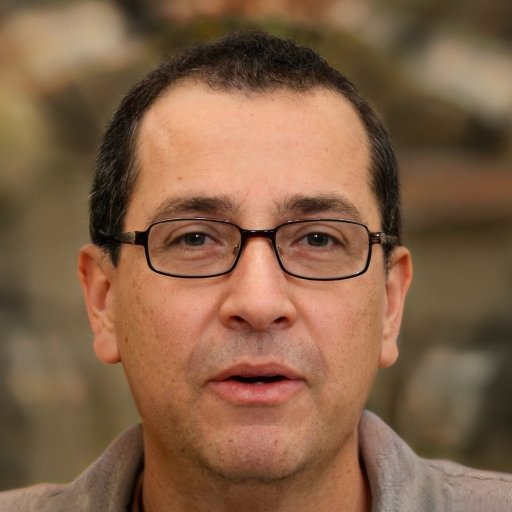
Billy Rodriguez is a licensed Damage Restoration Expert with over 20 years of hands-on experience in disaster recovery and property mitigation. As a respected industry authority, Billy has spent two decades mastering the technical science of structural drying and environmental safety, providing homeowners with the authoritative guidance and technical precision required to navigate complex restoration projects with absolute confidence.
𝗖𝗲𝗿𝘁𝗶𝗳𝗶𝗰𝗮𝘁𝗶𝗼𝗻𝘀: Billy is highly credentialed by the IICRC, holding master-level certifications in Water Damage Restoration (WRT), Applied Structural Drying (ASD), Mold Remediation (AMRT), Fire and Smoke Restoration (FSRT), and Odor Control (OCT).
𝗙𝗮𝘃𝗼𝗿𝗶𝘁𝗲 𝗣𝗮𝘀𝘁𝗶𝗺𝗲: An enthusiast of restoration in all forms, Billy enjoys rebuilding vintage motorcycles and coastal fishing, hobbies that reflect the mechanical precision and patience he brings to every job site.
𝗕𝗲𝘀𝘁 𝗣𝗮𝗿𝘁 𝗼𝗳 𝘁𝗵𝗲 𝗷𝗼𝗯: He finds the most fulfillment in providing families with immediate peace of mind, knowing his work transforms a site of devastation back into a safe, healthy, and comfortable home.