Trusted by 160+ Homeowners
Can I Clean Up Biohazards Without A Pro?
- Over 160 5-Star Reviews
- Free Estimates and Quotes
- 100% Satisfaction Guaranteed
- Child, Family & Pet Safe Steps
- 24-Hour Emergency Service
- Fully Licensed & Insured
Can you clean up biohazards without a professional? Generally, no. It’s highly risky and often illegal for untrained individuals to handle biohazard cleanup.
Attempting biohazard cleanup yourself can expose you and others to serious health risks and lead to incomplete remediation.
TL;DR:
- Biohazard cleanup is dangerous and requires special training and equipment.
- DIY cleanup can spread contaminants and cause long-term health issues.
- Many biohazard situations have legal and regulatory implications.
- Professional biohazard remediation ensures safety and thoroughness.
- Always call trained professionals for biohazard cleanup.
Can I Clean Up Biohazards Without a Pro?
The short answer is a resounding and emphatic no. While you might be tempted to tackle a biohazard situation yourself to save time or money, it’s a path fraught with danger. Professional cleanup is almost always necessary for true safety and effectiveness.
Understanding Biohazards: What Are They?
Biohazards are biological substances that pose a threat to the health of living organisms. This includes things like blood, bodily fluids, sewage, and even certain types of mold. They can carry pathogens that cause serious illnesses.
Think of it like this: you wouldn’t perform surgery on yourself, right? Cleaning up biohazards requires a similar level of specialized knowledge and sterile equipment. Ignoring proper protocols can have severe consequences.
Common Biohazard Scenarios
Biohazards can arise from many unexpected events. These include:
- Traumatic accidents with significant blood loss.
- Unattended deaths where decomposition occurs.
- Sewage backups from damaged plumbing.
- Hoarding situations with accumulated waste.
- Animal infestations with droppings and urine.
Each of these situations presents unique risks. They require a tailored approach that only trained professionals can provide. Do not underestimate the danger of these situations.
Why DIY Biohazard Cleanup is a Bad Idea
Your health and safety are on the line when dealing with biohazards. Professionals have the training, equipment, and understanding to mitigate these risks effectively. Trying to do it yourself often makes things worse.
Serious Health Risks Involved
Exposure to biohazards can lead to immediate and long-term health problems. Pathogens can spread through direct contact, inhalation of airborne particles, or contaminated surfaces. You might not even realize you’re being exposed until it’s too late.
Research shows that improper cleanup can leave behind invisible contaminants. These can continue to pose a threat for months or even years. This is why professional cleanup is so important for long-term health.
The Dangers of Contamination Spread
Without the right containment procedures, you can easily spread biohazardous materials. This contaminates other areas of your property. It also exposes family members, pets, and even neighbors to danger.
Imagine a spill. Without proper barriers, you could track contaminants from room to room. This turns a localized problem into a widespread issue. Preventing further spread is a key reason to call pros.
Legal and Ethical Considerations
In many cases, there are regulations about how biohazards must be handled and disposed of. Improper cleanup can lead to fines or legal trouble. You might also be liable if someone else is harmed by your inadequate cleanup efforts.
Many municipalities have specific rules about biohazard waste disposal. Simply bagging it up and throwing it away is often illegal. You need to understand these regulations to ensure compliance. This is where professional knowledge becomes essential for legal clean biohazards.
What Professionals Bring to Biohazard Cleanup
When you hire a professional biohazard remediation service, you’re not just paying for labor. You’re paying for expertise, specialized equipment, and peace of mind. They follow strict protocols to ensure the job is done right.
Specialized Training and Certifications
Biohazard cleanup technicians undergo rigorous training. They learn about infectious diseases, proper handling of hazardous materials, and advanced cleaning techniques. They are certified to perform these services safely and effectively.
This training is not something you can pick up from a quick internet search. It involves understanding chemistry, biology, and safety protocols. Their certifications mean they are qualified to handle serious situations.
Advanced Equipment and Supplies
Professionals use industrial-grade cleaning agents, disinfectants, and protective gear. They have specialized equipment for air purification, decontamination, and waste disposal. This ensures that all traces of the hazard are eliminated.
Think about the difference between a household vacuum and a hospital-grade HEPA filter. The latter can trap microscopic particles. Professionals use similar advanced tools for biohazard cleanup. They have the right tools for a safe cleanup.
Ensuring Complete Remediation
The goal of biohazard cleanup is not just to remove visible contamination. It’s to neutralize all biological threats and restore the environment to a safe state. Professionals use testing and verification methods to ensure this.
This means going beyond surface cleaning. They often use specialized treatments to penetrate porous materials. They ensure that no lingering pathogens remain. This thoroughness is critical for health and safety.
Can You Use Vinegar to Clean Up Sewage?
While vinegar is a great natural cleaner for many household tasks, it is not a solution for sewage cleanup. Sewage is a complex mixture of waste, bacteria, and viruses.
Vinegar has some disinfectant properties, but it’s not strong enough to kill all the dangerous pathogens found in sewage. You might also be wondering about safe cleanup steps for use vinegar. For sewage, the answer is to avoid it and call a pro.
| Scenario | DIY Potential | Professional Need | Risks of DIY |
|---|---|---|---|
| Minor spill (e.g., juice) | High | Low | Staining, stickiness |
| Blood spill (small, fresh) | Low | Medium | Contamination spread, infection risk |
| Sewage backup | Very Low | High | Serious health risks, structural damage, legal issues |
| Decomposition | Extremely Low | Very High | Severe health risks, psychological trauma, permanent damage |
Understanding the Limits of Household Cleaners
Household cleaners, including vinegar, are designed for general cleaning. They lack the power to neutralize the dangerous biological agents present in sewage. Trying to use them is like bringing a water pistol to a wildfire.
You might think you’re cleaning, but you’re likely just spreading the problem. This can lead to hidden contamination. It’s crucial to understand the health risks from use vinegar clean, especially in a biohazard situation.
Why Professional Sewage Cleanup is Essential
Sewage contains a cocktail of harmful bacteria and viruses. These can cause severe gastrointestinal illnesses, respiratory problems, and skin infections. Professionals have the protective gear and disinfectants to handle this safely.
They also have the equipment to dry and dehumidify affected areas properly. This prevents mold growth and further structural damage. Do not wait to get help when dealing with sewage.
When in Doubt, Always Call a Professional
The decision to attempt a cleanup yourself should be based on a realistic assessment of the risk. For anything involving bodily fluids, sewage, or potential disease-causing agents, the answer is to call for help.
It’s About More Than Just Cleaning
Biohazard remediation is a specialized field. It requires specific knowledge and equipment. Professionals ensure that the area is not only clean but also safe and healthy again.
They also handle the proper disposal of contaminated materials. This is a critical step that many homeowners overlook. Proper disposal is a key part of the remediation process.
Protecting Your Property and Your Health
A botched DIY cleanup can lead to more expensive repairs down the line. It can also cause lasting damage to your health and the health of your loved ones. The cost of professional remediation is often less than the cost of dealing with the aftermath of a DIY attempt.
Consider it an investment in your family’s well-being. It’s about restoring normalcy and safety to your home. Schedule a free inspection to understand the scope of the problem.
Checklist: When to Call for Professional Biohazard Cleanup
Use this quick checklist to help you decide if you need professional help:
- Is there visible blood or bodily fluids that you cannot safely clean with household products?
- Has there been a sewage backup or flood with contaminated water?
- Is there evidence of animal waste or carcasses that could carry diseases?
- Has a crime or traumatic event occurred that requires specialized cleanup?
- Are you unsure about the nature or extent of the contamination?
- Do you lack the proper personal protective equipment (PPE)?
If you answered yes to any of these questions, it’s time to call for expert assistance. Do not delay in seeking professional help.
Conclusion
Ultimately, the question of whether you can clean up biohazards without a professional has a clear answer: it’s not advisable and often unsafe. The risks to your health, the potential for spreading contamination, and the legal implications far outweigh any perceived savings.
Biohazard situations demand a level of expertise, specialized equipment, and adherence to strict safety protocols that only trained professionals possess. For reliable and thorough biohazard remediation in the Kirkland area, Kirkland Restoration Pros is a trusted resource dedicated to restoring your property and ensuring your safety.
What are the immediate dangers of a biohazard spill?
The immediate dangers include exposure to pathogens that can cause serious infections and illnesses. Airborne contaminants can lead to respiratory issues. Direct contact can cause skin infections. Rapid containment and professional assessment are key.
How do professionals ensure a biohazard is fully removed?
Professionals use a combination of advanced cleaning agents, disinfectants, and specialized equipment like HEPA filters. They follow strict protocols for containment, cleaning, and testing to verify that all biological threats are neutralized. This scientific approach ensures complete remediation.
Can I clean up a small amount of blood myself?
For very small, fresh spills where you have proper PPE (gloves, mask), some basic cleaning might be attempted. However, even small amounts can carry risks. If there’s any doubt, or if the spill is larger or dried, it’s safer to call a professional. When in doubt, call a professional right away.
What is the difference between cleaning a commercial roof and a biohazard?
Cleaning a commercial roof is typically a maintenance or repair task, though it can involve safety risks. Biohazard cleanup deals with biological contaminants that pose direct health threats. The skill sets, tools, and regulatory requirements are vastly different. For facility concerns about fix commercial roof, it’s a different category of problem. Get expert advice today for any serious property damage.
How does professional biohazard cleanup differ from regular cleaning?
Regular cleaning focuses on aesthetics and removing dirt. Biohazard cleanup focuses on eliminating dangerous pathogens and contaminants to restore a safe environment. Professionals use hospital-grade disinfectants and follow strict containment procedures. This is a serious health matter requiring specialized care.
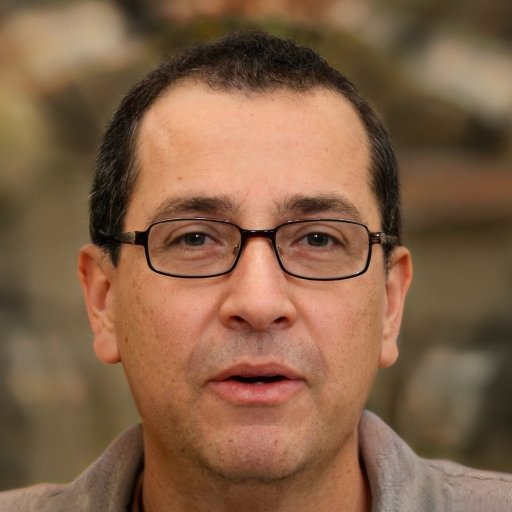
Billy Rodriguez is a licensed Damage Restoration Expert with over 20 years of hands-on experience in disaster recovery and property mitigation. As a respected industry authority, Billy has spent two decades mastering the technical science of structural drying and environmental safety, providing homeowners with the authoritative guidance and technical precision required to navigate complex restoration projects with absolute confidence.
𝗖𝗲𝗿𝘁𝗶𝗳𝗶𝗰𝗮𝘁𝗶𝗼𝗻𝘀: Billy is highly credentialed by the IICRC, holding master-level certifications in Water Damage Restoration (WRT), Applied Structural Drying (ASD), Mold Remediation (AMRT), Fire and Smoke Restoration (FSRT), and Odor Control (OCT).
𝗙𝗮𝘃𝗼𝗿𝗶𝘁𝗲 𝗣𝗮𝘀𝘁𝗶𝗺𝗲: An enthusiast of restoration in all forms, Billy enjoys rebuilding vintage motorcycles and coastal fishing, hobbies that reflect the mechanical precision and patience he brings to every job site.
𝗕𝗲𝘀𝘁 𝗣𝗮𝗿𝘁 𝗼𝗳 𝘁𝗵𝗲 𝗷𝗼𝗯: He finds the most fulfillment in providing families with immediate peace of mind, knowing his work transforms a site of devastation back into a safe, healthy, and comfortable home.