Water Damage Restoration in Nampa, ID
Trusted by 160+ Homeowners
Water Damage Restoration in Nampa, ID: Protecting Your Home from the Unexpected
Living in Nampa, ID, means dealing with an average of 12 inches of snowfall annually. This can lead to roof damage and next water leaks, which can cause significant damage to your home. Water damage can be devastating, but it’s often preventable with the right knowledge and precautions. You can take steps to mitigate the risk of water damage by inspecting your roof and gutters regularly, ensuring proper drainage, and keeping an eye out for signs of leaks. Don’t let water damage catch you off guard, take proactive measures to protect your home.
Our team has helped over 165 homeowners in the area recover from water damage, and we’re committed to providing top-notch service to every customer. You can trust us to handle your water damage restoration needs with care and professionalism. We’ve earned a reputation for being reliable, efficient, and effective in restoring homes to their pre-damage state.
- Prevent costly repairs by identifying and addressing water damage early on.
- Reduce the risk of mold growth and next health issues.
- Ensure a safe living environment for you and your family.
How Our Water Damage Restoration Process Works
Our process for water damage restoration is meticulous and thorough. We understand that every situation is unique, and we tailor our approach to meet your specific needs. When you call us, our team will arrive within 60 minutes to assess the damage and create a customized plan for restoration. We’ll work efficiently to extract water, dry the affected area, and restore your home to its original condition.
Step 1: Assessment and Planning
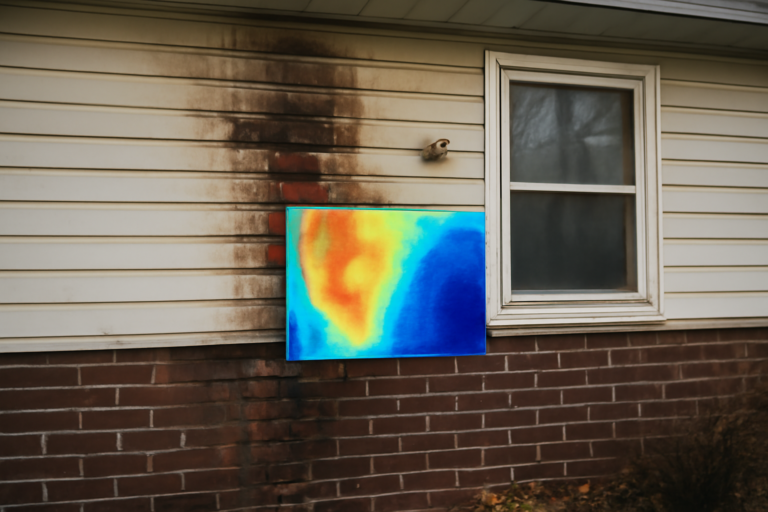
Our team will arrive quickly to assess the damage and identify the source of the leak. We’ll take note of the extent of the damage, the type of water involved, and any potential health risks. This information will inform our plan for restoration, which we’ll discuss with you in detail.
Step 2: Water Extraction
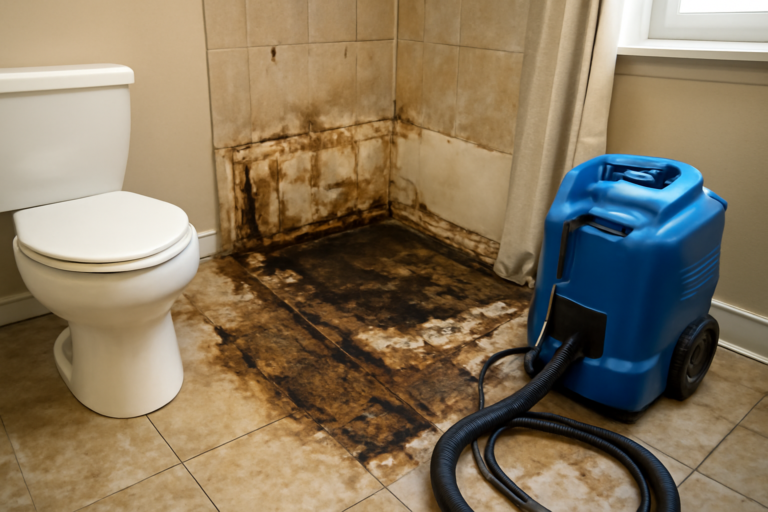
We’ll use specialized equipment to extract as much water as possible from the affected area. This step is crucial in preventing further damage and reducing the risk of mold growth. Our technicians are trained to work efficiently and effectively, ensuring that the extraction process is completed as quickly as possible.
Step 3: Drying and Dehumidification
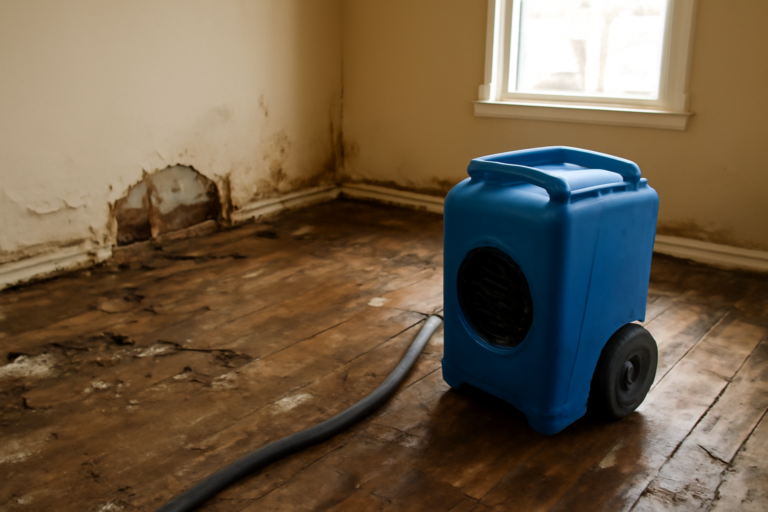
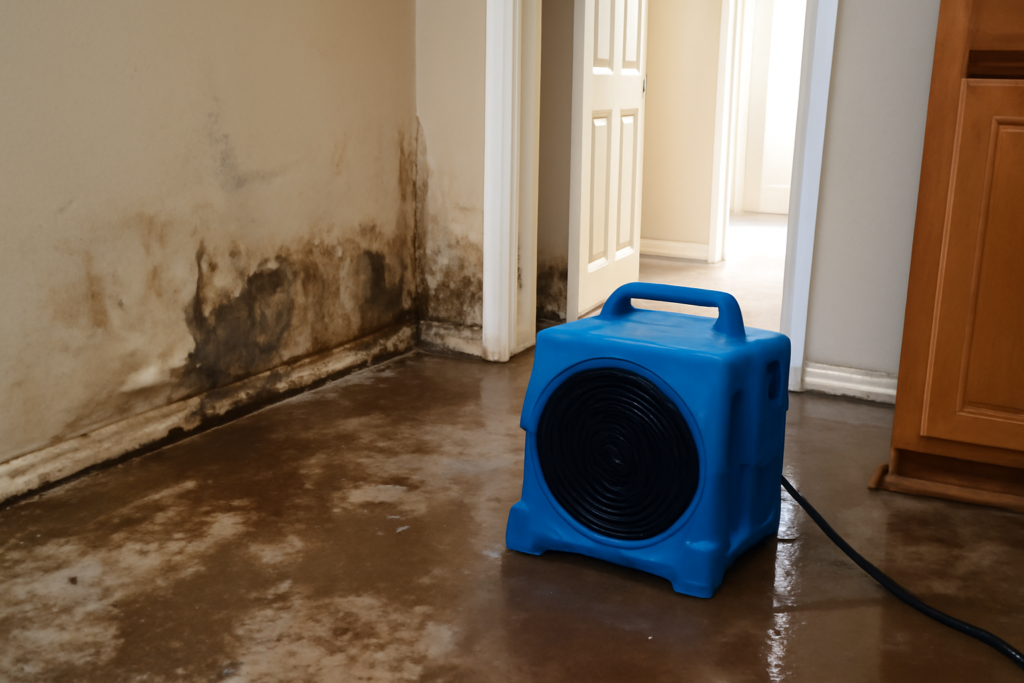
Once the water has been extracted, we’ll focus on drying and dehumidifying the affected area. This involves using specialized equipment to remove excess moisture from the air and surfaces. We’ll work to dry the area thoroughly, ensuring that it’s safe for you to return to.
Step 4: Cleaning and Sanitizing
After the area has been dried, we’ll focus on cleaning and sanitizing the affected area. This involves removing any remaining debris, cleaning surfaces, and applying sanitizing agents to prevent mold growth. We’ll work to restore your home to its original condition, ensuring that it’s safe and healthy for you to inhabit.
Step 5: Final Inspection and Touch-ups
Once the restoration is complete, we’ll conduct a final inspection to ensure that the area is safe and secure. We’ll identify any remaining issues and address them quickly, making any necessary touch-ups to ensure that your home is restored to its original condition.
Don’t wait until it’s too late, call us today to schedule a water damage restoration assessment. Our team is here to help you navigate this challenging situation and restore your home to its former glory.
Warning Signs You Need Water Damage Restoration
Catching water damage early can save you thousands of dollars in repairs. Look out for these warning signs, and don’t hesitate to call us if you suspect water damage:
Musty Odors That Won’t Go Away
If you notice a persistent musty smell in your home, it could be a sign of water damage. This smell is often accompanied by visible signs of mold growth, which can be hazardous to your health.
Warped or Buckled Flooring
Warped or buckled flooring can be a sign of water damage. If you notice that your floors are sagging or have developed an unusual texture, it’s essential to investigate further.
Visible Signs of Leaks
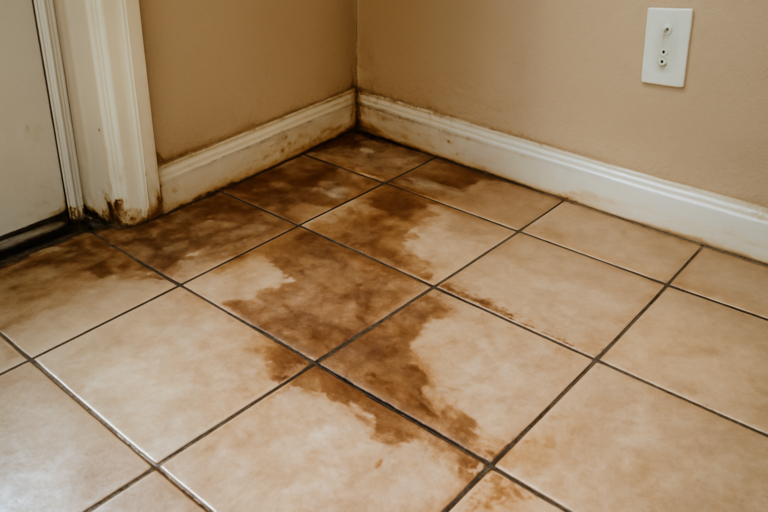
Leaks can be difficult to spot, but visible signs such as water stains, mineral deposits, or warping can show water damage. Don’t ignore these signs, they can lead to costly repairs if left unchecked.
Mold Growth
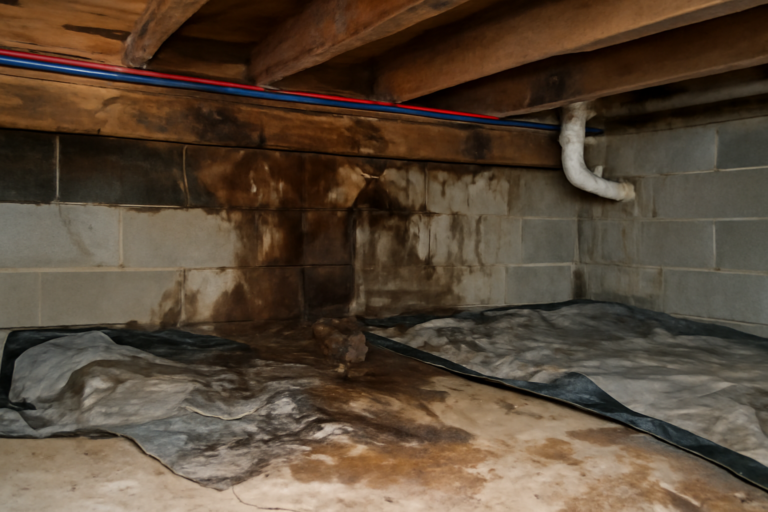
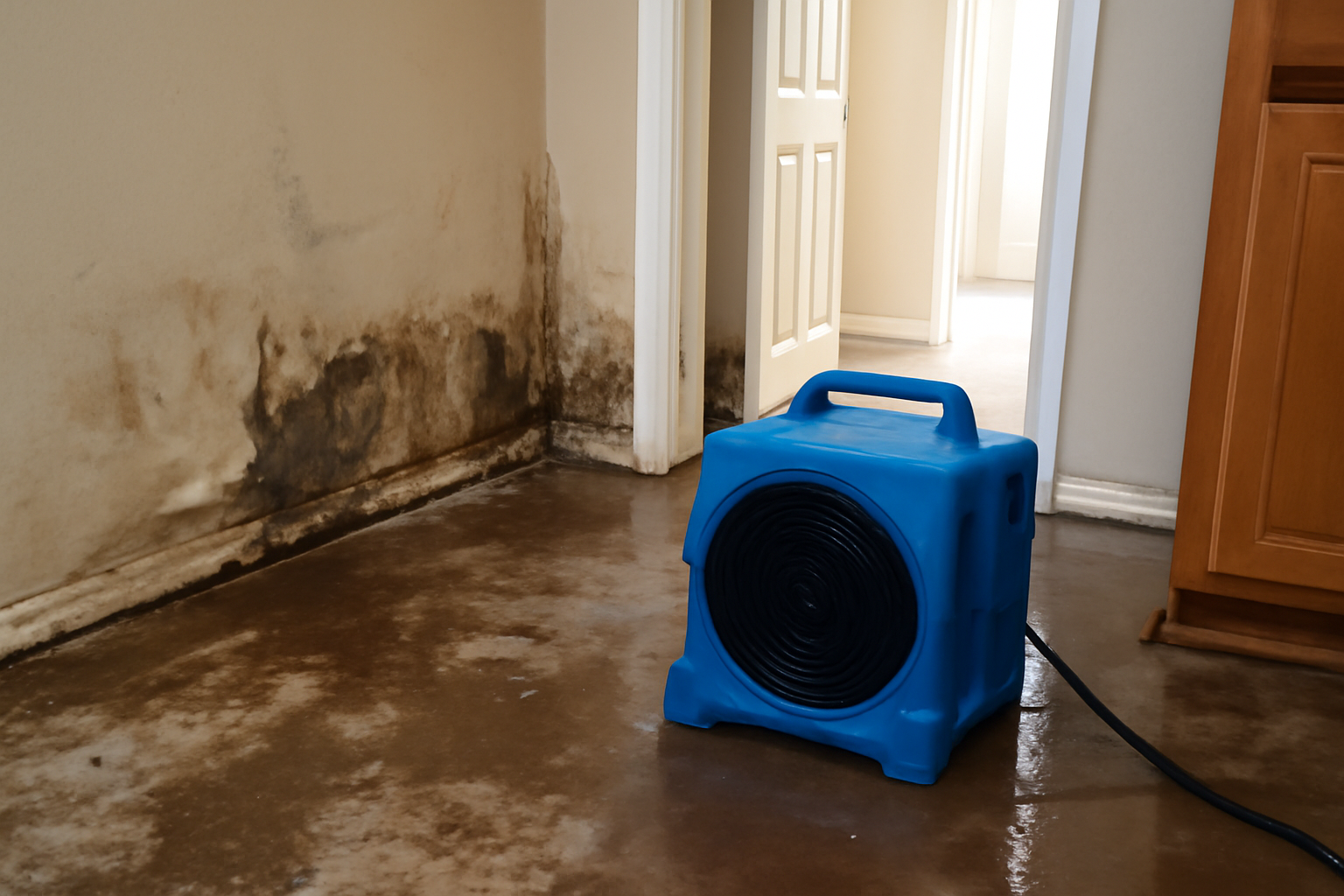
Mold growth is a clear sign of water damage. If you notice black spots or patches on your walls, ceilings, or floors, it’s essential to address the issue quickly.
Discoloration or Warping of Walls or Ceilings
Discoloration or warping of walls or ceilings can be a sign of water damage. If you notice any unusual changes in the appearance of your walls or ceilings, investigate further.
Unusual Sounds or Creaks
Unusual sounds or creaks can show water damage. If you notice any strange noises coming from your walls or floors, it’s essential to investigate further.
Water Damage Restoration vs. DIY: When To Call a Professional
| Situation | DIY? | Call a Pro? | Why |
|---|---|---|---|
| Small leak (less than 1 gallon) | Yes | No | You can likely handle small leaks on your own with a wet vacuum and some elbow grease. |
| Visible signs of mold growth | No | Yes | Mold growth needs specialized equipment and expertise to safely remove and prevent future growth. |
| Extensive water damage (multiple rooms affected) | No | Yes | Extensive water damage needs a comprehensive plan and specialized equipment to restore your home safely and efficiently. |
| Water damage in a high-risk area (e.g., kitchen or bathroom) | No | Yes | High-risk areas need specialized attention to prevent further damage and health risks. |
| Unsure of the source of the leak | No | Yes | Identifying the source of the leak needs expertise and specialized equipment to prevent further damage. |
Don’t risk your health and safety by trying to handle water damage on your own. Call us today to schedule a professional assessment and restoration.
Water Damage Restoration Cost In Nampa, ID
The cost of water damage restoration can vary widely depending on the severity and extent of the damage, as well as the size of the affected area. In general, you can expect to pay anywhere from $500 to $2,500 or more, depending on the scope of the project.
| Service | Typical Price Range | What Affects Cost |
|---|---|---|
| Water Extraction | $500-$2,000 | Size of affected area, type of water involved, and equipment needed. |
| Drying and Dehumidification | $1,000-$3,000 | Size of affected area, type of equipment needed, and duration of the process. |
| Cleaning and Sanitizing | $500-$2,000 | Size of affected area, type of cleaning products needed, and level of sanitizing required. |
| Final Inspection and Touch-ups | $200-$1,000 | Size of affected area and level of touch-ups required. |
Exact pricing will depend on an on-site assessment, and we offer free estimates to ensure you understand the costs involved. Don’t hesitate to contact us to schedule a consultation and discuss your specific needs.
Service Areas Near Nampa, ID
We serve the following nearby communities: Caldwell, Meridian, Boise, Eagle, Star, Middleton, Notus, Parma, Wilder, and more.
Common Questions About Water Damage Restoration
How long does water damage restoration take?
The length of time required for water damage restoration varies depending on the extent of the damage and the size of the affected area. In general, you can expect the process to take anywhere from 3-5 days, but it’s essential to schedule an on-site assessment to find out the exact timeframe.
Is water damage restoration covered by insurance?
Yes, water damage restoration is typically covered by insurance, but it’s essential to review your policy to understand the specifics of your coverage. We work closely with insurance companies to ensure that you receive the compensation you deserve.
Can I try to dry out the area myself?
No, it’s not recommended to try to dry out the area yourself. Water damage needs specialized equipment and expertise to prevent further damage and health risks. Our team is trained to handle water damage restoration safely and efficiently.
How do I prevent water damage in the future?
Preventing water damage needs regular maintenance and inspections. Ensure that your roof and gutters are in good condition, and keep an eye out for signs of leaks or water damage. Regularly inspect your home’s plumbing and appliances to prevent leaks and water damage.
Check Our Other Relevant Services
Serving Nampa, ID And Nearby Areas