Caldwell, ID · Canyon County
Toxic Odor & Volatile Emission Cleanup in Caldwell, IDToxic Gas Remediation & Emergency Odor Neutralization
Toxic Odor & Volatile Emission Cleanup in Caldwell includes chemical fume cleanup, industrial odor abatement and residential fume extraction.
Answered 24/7
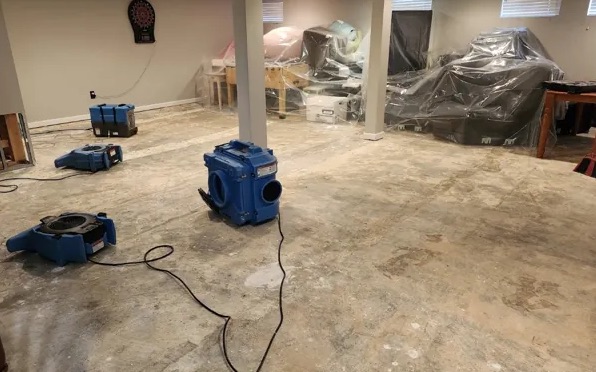
Professional Toxic Odor & Volatile Emission Cleanup in Caldwell, ID
Chemical odors in Caldwell properties can soak into building materials and HVAC systems and keep coming back. Acting promptly keeps the space usable for the people inside.
Businesses in Caldwell and nearby Middleton, Moss and Huston deal with fumes from labs, workshops or storage areas. Local pros use industrial equipment to clean the air and meet safety expectations.
Complete Toxic Odor & Volatile Emission Cleanup Services in Caldwell
Toxic Gas Remediation
Pros detect dangerous gases like carbon monoxide, isolate the source and clean the air thoroughly.
Emergency Odor Neutralization
Pros fog the space or inject neutralizer at the source to stabilize it and bring quick relief.
VOC Emission Removal
Industrial air scrubbers with carbon filters pull compounds from household products out of living spaces.
Chemical Fume Cleanup
Local toxic odor cleanup experts in Caldwell use sealing and oxidizing methods to break down acids, solvents and other spilled chemicals.
Toxic Odor Air Scrubbing
Local toxic odor cleanup experts in Caldwell run industrial air scrubbers with carbon filters to capture airborne contaminants.
When to Consider Toxic Odor & Volatile Emission Cleanup for Your Caldwell Property
Air That Smells Metallic or Sharp
A sharp, metallic smell in a room can point to chemical vapors in the air.
Chemical Spill or Accidental Release
Any spill of cleaners, fuel or solvent indoors needs prompt attention to remove fumes.
Eye, Nose, or Throat Irritation
Burning eyes, nose or throat that ease outdoors often point to fumes or gas inside.
New or Unexplained Respiratory Issues
New wheezing or coughing that starts indoors may be linked to indoor air pollution.
How Toxic Odor & Volatile Emission Cleanup Works in Caldwell
Step 1: Detailed Inspection and Contaminant Identification
Sensors map how far fumes spread and whether they come from chemicals, waste or combustion.
Step 2: Setup of Negative Air Fume Extraction
Negative air equipment pulls fumes outside and keeps them away from clean parts of the building.
Step 3: Application of Neutralizing Agents
The experts fog or directly treat surfaces with compounds that react with and destroy odor molecules.
Step 4: Verification of Clean Air Standards
Follow-up air samples confirm pollutant levels are within safe limits before the job ends.
What Creates Hazardous Fumes and Toxic Odors in Caldwell
Industrial Chemical Spills or Leaks
Spills from manufacturing, storage tanks or transport can push fumes into nearby buildings.
Septic System or Sewer Line Issues
Septic or sewer line problems release methane and hydrogen sulfide into buildings.
Previous DIY Cleanup Attempts Gone Wrong
Mixing cleaning chemicals by mistake can create dangerous gases like chlorine in a room.
Decomposition of Household Waste
Some plastics and electronics breaking down in waste can give off harmful vapors.
Toxic Odor & Volatile Emission Cleanup Services for Every Property in Caldwell
Residential Toxic Odor & Volatile Emission Cleanup
A chemical smell in a child's room or living area needs action, and pros remove fumes from carpet or paint.
Commercial Toxic Odor & Volatile Emission Cleanup
Warehouse odors can taint stock and make work unsafe, so pros clean storage areas and loading docks in Caldwell.
Toxic Odor & Volatile Emission Cleanup vs. DIY: When to Call Local Experts
Some odor after painting or new furniture is normal, so ventilate well while it fades. If the smell is overpowering, causes symptoms or lasts more than a week, have it checked by the experts.
Factors Affecting Toxic Odor & Volatile Emission Cleanup Pricing in Caldwell
In Caldwell, the size of the contaminated area and the materials affected matter, since drywall and carpet take more work than tile.
Safety Protocol Level
High-risk gases need advanced protective gear and containment, adding labor and equipment.
Emergency Response Timing
An urgent call at night or on weekends may be priced higher than a scheduled visit.
Material Porosity
Fumes absorbed into drywall, insulation or upholstery often mean removing and replacing them.
Does Insurance Cover Toxic Odor & Volatile Emission Cleanup?
Coverage often depends on whether the release was sudden and accidental. Slow off-gassing over time is often excluded, so confirm the details with your insurer.
Reasons to Select Local Experts for Toxic Odor & Volatile Emission Cleanup in Caldwell
Safety-First Containment Protocols
Work areas are sealed so fumes do not spread to other parts of your home or business.
Source Identification Expertise
Pros trace fumes to their origin, whether a spill, off-gassing materials or an outside source.
Post-Remediation Verification
Air testing after cleanup confirms the space is safe and breathable again.
24/7 Toxic Odor & Volatile Emission Cleanup Response for Caldwell
Suspect fumes from a chemical release in your building? Prompt cleanup limits exposure, so call (208) 729-2441 any time for help removing them.
Call Now (208) 729-2441Toxic Odor & Volatile Emission Cleanup Coverage Around Caldwell, ID
In Caldwell and nearby Middleton, Moss and Huston, local pros remove chemical fumes and vapors from homes and businesses.
Toxic Odor & Volatile Emission Cleanup FAQs
Is hazardous vapor cleanup dangerous?
It carries real risks, so the experts use strict safety steps, protective gear and containment.
When should I call for vapor emission cleanup?
When you notice strong chemical smells, feel headaches or dizziness indoors or know a spill has happened.
Is hazardous odor elimination always permanent?
When the source is fully removed and affected materials are cleaned or replaced, the result should last.
Does toxic gas removal require evacuation?
For high levels of dangerous gas, leaving the building is often advised until the experts can assess it.
What are common sources of VOC emissions in homes?
Paints, solvents, adhesives, new furniture, cleaning products and fuel spills that release fumes indoors.