Eagle Foothills, ID
Temperature-Controlled Drying in Eagle Foothills, IDHumidity Control For Restoration & Drying Equipment Deployment
Temperature-Controlled Drying in Eagle Foothills includes thermal drying for water damage, rapid structural drying services, and humidity control for restoration managed by local drying equipment pros.
Answered 24/7
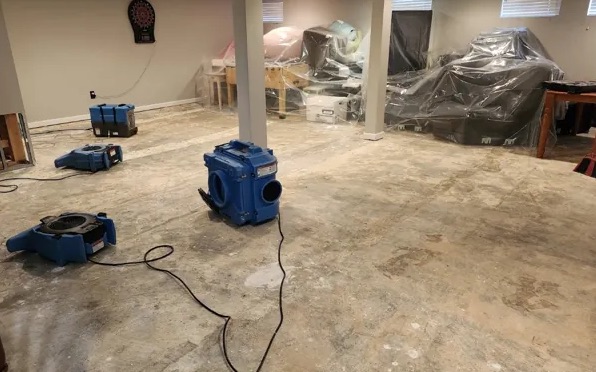
Expert Temperature-Controlled Drying Services in Eagle Foothills, Idaho
In Eagle Foothills, water trapped in subfloors, wall cavities or behind cabinets dries slowly because the air there does not move.
In the Eagle Foothills area, the climate can slow natural drying. Local pros combine heat, airflow and dehumidification and keep logs of each step until readings are normal.
Temperature-Controlled Drying Methods Available in Eagle Foothills
Humidity Control for Restoration
The pros keep humidity low in properties in Eagle Foothills, so water evaporates from materials instead of soaking back in.
Drying Equipment Deployment
Pros set up drying machines with safe power, condensate drainage and placement based on the moisture map.
Rapid Structural Drying Services
The pros aim air movers at wet studs, joists and subfloors to dry the structure as fast as it safely can be dried.
Water Damage Drying Logs
The pros compile drying logs with moisture maps, photos, and readings. This report documents the system's performance and the materials' response, demonstrating a professional approach.
Moisture Mapping
The pros take moisture readings at many points and depths to map every wet area and set drying goals, so nothing is missed.
Signs You Need Professional Temperature-Controlled Drying in Eagle Foothills
Equipment Running With No Result
Fans or dehumidifiers that run for days without drying the area mean the moisture is deeper than household equipment can reach.
Discoloration on Drywall or Ceilings
Yellow or brown water stains appear on surfaces that seem dry. These stains suggest moisture is still present inside the wall cavity.
Soft Drywall or Sagging Ceiling
Drywall feels spongy to the touch or a ceiling sags downward. This softness means the material is saturated and structurally compromised.
Visible Mold Growth in Corners
Black, green or white specks in damp corners or on baseboards are usually mold, which means moisture has been there a while.
How Temperature-Controlled Drying Works in Eagle Foothills
Step 1: Initial Moisture Survey and Readings
Pros take baseline moisture readings across the property to plan the drying.
Step 2: Precision Air Mover Placement
Air movers are placed at set angles and distances to target specific wet materials.
Step 3: Deployment of Drying Systems
Dehumidifiers are sized to the moisture load and the size of the space.
Step 4: Ongoing Monitoring and Adjustment
Equipment is moved and adjusted as materials dry, so drying keeps moving.
What Leads to Needing Temperature-Controlled Drying in Eagle Foothills
Undetected Plumbing Leaks
A slow drip behind a wall or under a slab saturates materials over time.
Roof Leak During Heavy Rain
Wind-driven rain through a damaged roof or flashing can run down inside wall cavities, where it needs targeted drying.
Storm-Driven Water Intrusion
Heavy rain overflows gutters or gets in around windows and soaks framing and insulation.
HVAC System Condensation Issues
A clogged condensate drain line causes an overflow inside the air handler. This water can soak insulation and ductwork, creating a hidden moisture issue.
Temperature-Controlled Drying for All Property Types in Eagle Foothills
Residential Temperature-Controlled Drying
At home, moisture hides in attics, crawl spaces and behind finished walls. Pros map it before setting up equipment so the whole house dries.
Commercial Temperature-Controlled Drying
In offices, schools and clinics, pros use quieter drying equipment that can run in occupied spaces, and document when drying is complete.
Temperature-Controlled Drying vs. DIY Drying in Eagle Foothills
Moisture from a leak may seem surface-dry, but it often remains deep within materials. You can use a moisture meter from a hardware store to check for obvious dampness in drywall or wood. Interpreting these readings and executing the rapid drying needed to prevent mold requires the expertise and commercial-grade equipment of the specialists in Eagle Foothills.
What Affects Temperature-Controlled Drying Cost in Eagle Foothills
In Eagle Foothills, cost depends on how complex the moisture mapping is and how much equipment the area needs.
Equipment Needs
The number and type of air movers, dehumidifiers and heaters used affect the cost.
Drying Time Required
Longer drying periods for climate-controlled systems mean more equipment runtime and monitoring, impacting the overall cost of the restoration project.
Humidity Control Measures
Controlling humidity in tight spaces often takes specialized drying equipment and frequent adjustments.
Does Insurance Cover Temperature-Controlled Drying?
Many homeowner policies cover temperature-controlled drying when it stems from a sudden, covered peril like a burst pipe. The pros document all damage with photos and moisture readings for your claim submission.
Benefits of Local Drying Equipment Pros for Temperature-Controlled Drying in Eagle Foothills
24/7 Emergency Response
Quick action is critical to limit secondary damage, and local pros are available around the clock to begin the drying process.
Advanced Moisture Mapping
Moisture meters and thermal cameras find hidden wet pockets so every affected material is dried.
Structural Drying
The focus is on quickly extracting moisture from structural components to minimize warping, swelling, or the potential for mold growth.
24/7 Temperature-Controlled Drying for Emergencies in Eagle Foothills
For temperature-controlled drying after a leak or flood, call (208) 729-2441 any time. The pros can then start drying the structure.
Call Now (208) 729-2441Temperature-Controlled Drying in Eagle Foothills and Other Areas Served
Help with temperature-controlled drying is available across Eagle Foothills, including thermal drying for water damage and climate-controlled drying systems.
- Temperature-Controlled Drying in Adrian
- Temperature-Controlled Drying in Avimor
- Temperature-Controlled Drying in Baker City
- Temperature-Controlled Drying in Banks
- Temperature-Controlled Drying in Barber Valley
- Temperature-Controlled Drying in Black Cat
- Temperature-Controlled Drying in Bliss
- Temperature-Controlled Drying in Boise Bench
Temperature-Controlled Drying Information and FAQs
What materials benefit most from controlled drying systems?
Porous structural materials like drywall, wood framing, and concrete, as well as contents like documents and furniture, benefit greatly from controlled, gradual drying to prevent ruin.
What are the benefits of rapid structural drying services?
Rapid structural drying minimizes the time materials are wet, reducing the risk of swelling, warping, and secondary damage like mold, which helps preserve property value.
How is drying progress verified during moisture monitoring?
Progress is verified by taking comparative moisture readings with penetrating and non-penetrating meters over time, ensuring levels drop to established dry standards for each material.
How long does the temperature-controlled drying process take?
It depends on the damage, the materials and the conditions. Pros monitor readings and stop when moisture goals are met.
What happens if hidden moisture is not found during mapping?
Undetected moisture can lead to ongoing deterioration, odor issues, and mold growth inside walls or under floors, underscoring the critical need for thorough initial assessment.