Caldwell, ID · Canyon County
Structural Drying & Dehumidification in Caldwell, IDEmergency Flood Drying & Subfloor Moisture Extraction
Structural Drying & Dehumidification in Caldwell includes hardwood floor drying, ceiling cavity drying and concrete slab drying.
Answered 24/7
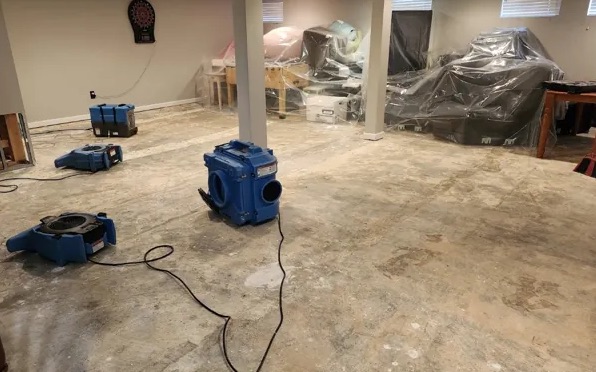
Local Structural Drying & Dehumidification for Caldwell Homes
After water gets into a building in Caldwell, wet framing, drywall and subfloors start to swell, warp and rot within days. Local drying specialists use industrial dehumidifiers and air movers to dry wall cavities, subfloors and other hidden areas.
Water-damaged properties in Caldwell and nearby areas like Middleton, Moss and Huston often have hidden moisture in wall cavities, subfloors or slabs. Local drying specialists dry these areas and can explain each step before work begins.
Structural Drying & Dehumidification Services in Caldwell
Emergency Flood Drying
Powerful dehumidification and air movement keep severe flooding from weakening the structure.
Subfloor Moisture Extraction
Water trapped under flooring soaks the subfloor, and pros use systems that pull it up through the material.
Wet Wall Cavity Drying
The specialists in Caldwell dry inside walls through small openings, so most drywall can stay in place.
Building Material Drying
The specialists monitor wet studs and sheathing until they are dry, protecting the home's framework.
Concrete Slab Drying
Pros draw water out of saturated slabs with specialized systems so new flooring adhesive does not fail later.
Warning Signs You Need Structural Drying & Dehumidification
Water Pooling in Crawl Space
Standing water in the crawl space damages floor framing and the foundation over time.
High Indoor Humidity
A clammy feel indoors after a leak shows humidity is too high for materials to dry.
Damp or Staining Walls
Stains or damp drywall mean the wall cavity behind it is still wet.
Warped or Buckling Floors
Hardwood or laminate that warps or buckles has water trapped underneath it.
How Structural Drying & Dehumidification Works in Caldwell
Step 1: Initial Water Extraction
Standing water is extracted from floors and surfaces so it stops soaking into materials.
Step 2: Dehumidification and Air Movement
Pros balance dehumidifiers and air movers to drive moisture out of cavities and materials.
Step 3: Detailed Cavity Drying
Hidden areas like ceiling cavities and subfloors get targeted drying tools and airflow.
Step 4: Completion and Documentation
Final dryness levels are recorded and provided for your records and insurance claim.
Sources of Moisture Requiring Dehumidification Services in Caldwell
Sewage Backup or Overflow
A sewer backup brings contaminated water that must be removed before drying begins.
Firefighting Water Damage
Water used to put out a fire soaks deeply into framing, drywall and insulation.
Foundation Cracks and Seepage
Cracks in the foundation or slab let groundwater in, wetting concrete and basement walls.
HVAC Condensate Drain Failure
A clogged AC drain line can spill gallons of water onto subfloors and ceilings.
Caldwell Structural Drying & Dehumidification for All Property Types
Residential Structural Drying & Dehumidification
Crawl space and subfloor drying protect a home's foundation and air, and pros record moisture readings for your claim.
Commercial Structural Drying & Dehumidification
Commercial drying covers complex building systems, with photos and moisture readings provided for your business and insurance records.
Hiring Local Specialists for Structural Drying & Dehumidification in Caldwell
A wet-dry vacuum works for small, contained spills on hard floors. Soaked carpet, concrete slabs or ceiling cavities need professional dehumidifiers and moisture extraction to dry fully.
Cost Considerations for Structural Drying & Dehumidification in Caldwell
Pros in Caldwell weigh how severe the water damage is, whether wall cavities need drying and the total drying time.
Type of Materials Involved
Porous drywall and insulation hold more water and sometimes must be removed as well as dried.
Required Drying Duration
Each day of equipment use and monitoring visits adds to the final invoice.
Affected Square Footage
Larger wet areas need more drying equipment and labor, which raises the cost.
Does Insurance Cover Structural Drying & Dehumidification?
Coverage for flood drying often depends on the peril in your policy, such as a burst pipe or appliance failure. Review your policy with your agent; pros provide readings and photos.
Why Choose Local Specialists for Structural Drying & Dehumidification in Caldwell
Comprehensive Damage Documentation
Logs, photos and moisture readings are recorded throughout for you and your insurer.
24/7 Emergency Response
Help is available around the clock, so drying can start soon after water gets in.
Industrial-Grade Equipment
Large air movers and dehumidifiers dry far faster than household fans and units.
Round-the-Clock Structural Drying & Dehumidification in Caldwell, ID
Water damage spreads quickly. For drying in Caldwell, call the pros at (208) 729-2441; emergency service is available 24 hours a day, every day.
Call Now (208) 729-2441Structural Drying & Dehumidification for Caldwell and Surrounding Communities
Dehumidification in Caldwell brings indoor humidity back to normal after a leak, and service reaches Middleton, Moss and Huston.
Frequently Asked Structural Drying & Dehumidification Questions
How does emergency drying differ from standard drying?
The methods are the same, but emergency drying starts, even after hours, to limit loss.
What equipment is used for subfloor moisture extraction?
Air movers, dehumidifiers and often injection systems that push dry air directly into the subfloor cavity.
Is ceiling cavity drying necessary after a roof leak?
Yes. Water above the ceiling soaks insulation and can reach wiring, so targeted drying equipment is placed there.
What areas of a home need moisture remediation after a leak?
Wet floors and walls, plus hidden spaces like wall cavities, subfloors, ceilings and under cabinets.
How long does emergency flood drying typically take?
It depends on water volume, materials and humidity, but most home jobs take several days of continuous drying.