Glenns Ferry, ID · Elmore County
Septic Tank Backup Water Removal in Glenns Ferry, IDSeptic System Water Damage Repair & Septic Backup Odor Removal
Effective Septic Tank Backup Water Removal in Glenns Ferry stops septic overflow damage from spreading with septic backup sewage cleanup, septic overflow decontamination and emergency septic backup response.
Answered 24/7
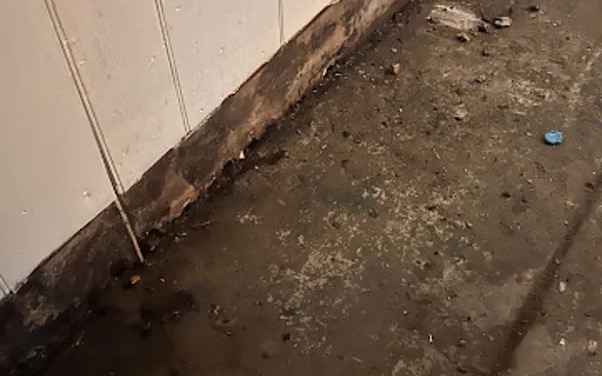
Septic Tank Backup Water Removal Specialists Serving Glenns Ferry
Emergency septic backup service in Glenns Ferry responds to the urgent need to remove hazardous water from living spaces. The overflow creates an immediate environment unfit for occupancy.
Septic backup water extraction in Glenns Ferry and the broader region, including places like Hammett, Bliss and Mountain Home, demands expertise in both water damage and biohazard cleanup. Local water removal pros are equipped with pumps and sanitizing agents to manage sewage backup removal safely.
Key Septic Tank Backup Water Removal Procedures in Glenns Ferry
Septic System Water Damage Repair
Repair work addresses structural components like floor joists or wall studs compromised by contaminated water. Repairs follow once the area is clean and dry.
Septic Backup Odor Removal
The pros tackle septic backup odors by treating affected structural materials and deodorizing the air. Effective odor removal is a key final step before reconstruction can be considered complete.
Septic Overflow Decontamination
Decontamination after a septic overflow in Glenns Ferry uses antimicrobial treatments to address pathogens on surfaces and in the air.
Septic Backup Sewage Cleanup
Sewage cleanup after a septic backup in Glenns Ferry requires the safe removal of all contaminated water and solid waste.
Septic Tank Drain Backup Cleanup
Cleanup for a septic tank drain backup in Glenns Ferry involves clearing blockages and removing all contaminated water from the plumbing system. Local cleanup specialists then sanitize the drain lines and fixtures.
When to Call for Septic Tank Backup Water Removal in Glenns Ferry
Multiple Drains Backing Up Simultaneously
When several fixtures clog or drain slowly at once, the problem is usually the main line or the tank, not a single clog.
Toilets Flush Slowly or Not at All
Weak flushing action or water rising to the rim indicates a severe septic line backup. This is a common trigger for emergency septic backup response.
Overflow From Septic Tank Lid Area
Visible effluent or wet soil around the septic tank access lid is a clear sign the tank is full and septic system water removal is required.
Unexplained Increase in Water Bill
A sudden spike in water use without a clear cause can mean a hidden leak or a toilet running into the septic system.
How Septic Tank Backup Water Removal Works in Glenns Ferry
Step 1: Septic Backup Response
The experts start with an emergency response and a first look at how far the sewage spread.
Step 2: Contaminated Water Removal
Extraction equipment removes the sewage and contaminated water before it spreads further.
Step 3: Sewage Cleanup and Sanitizing
Surfaces are disinfected and deodorized so no bacteria or smell is left behind.
Step 4: Damage Documentation and Repair
The damage is documented for your insurance claim, and repairs restore the affected rooms.
Frequent Sources of Septic System Water Damage
Old Age and General System Deterioration
Corroded pipes, cracked tanks and failed seals eventually let sewage back into the home.
Root Infiltration Into Sewer Lines
Tree roots seeking moisture can crack and block pipes, and the backup gets worse over time.
Compacted Soil Over the Drain Field
Heavy vehicles or structures parked above the leach field prevent proper drainage. This compaction causes backups.
Damaged or Collapsed Drain Field
When the drain field fails, water has nowhere to go and backs up into the house again and again.
Septic Tank Backup Water Removal for Homes and Businesses in Glenns Ferry
Residential Septic Tank Backup Water Removal
Sewage smell can linger in a home after a septic backup. After cleanup, the pros remove the source, use air scrubbers and seal stained surfaces if the odor stays.
Commercial Septic Tank Backup Water Removal
For hotels or rental properties, a septic backup threatens reputation and revenue. Septic system water damage repair professionals work swiftly to rectify the plumbing issue and restore guest rooms or common areas with minimal downtime and thorough sanitization.
Handling a Septic Backup: DIY Risks in Glenns Ferry
For ongoing maintenance, you can schedule regular septic tank pumping every 3-5 years and avoid flushing non-degradables. If you experience recurring slow drains, a professional camera inspection is wise.
Cost Considerations for Septic Tank Backup Water Removal in Glenns Ferry
Your septic backup cleanup cost depends on how much sewage must be removed and the hours of labor needed.
Structural Repairs
Any necessary septic system water damage repair, such as replacing subflooring or wall structures, is a separate line item in the restoration process.
Affected Materials
Porous materials like drywall or flooring that absorb septic water may require removal and disposal, adding to the project's scope and expense.
Damage Documentation
Detailed septic water damage documentation for insurance purposes involves time for photos, moisture mapping, and report preparation by the experts.
Does Insurance Cover Septic Tank Backup Water Removal?
When filing a claim for septic line backup water removal, your insurer will assess the cause and the documentation provided. The pros create detailed reports to assist in that evaluation process.
Advantages of Septic Tank Backup Water Removal from Local Experts in Glenns Ferry
Methodical Drying Process
After extraction, industrial air movers and dehumidifiers ensure the area is dried to prevent secondary mold damage.
24/7 Emergency Response
Septic backups demand immediate attention; the experts are available around the clock for emergency septic backup response calls.
System Damage Assessment
The pros inspect for hidden septic system water damage repair needs behind walls or under floors.
Round-the-Clock Septic Tank Backup Water Removal in Glenns Ferry
Sewage from a septic backup needs to be cleaned up quickly. Stop using water in the house and call (208) 729-2441 right away.
Call Now (208) 729-2441Septic Tank Backup Water Removal in Glenns Ferry and Other Areas Served
The places below are also served, and each one has its own page.
- Septic Tank Backup Water Removal in Hammett
- Septic Tank Backup Water Removal in Bliss
- Septic Tank Backup Water Removal in Mountain Home
- Septic Tank Backup Water Removal in Cleft
- Septic Tank Backup Water Removal in Gooding
- Septic Tank Backup Water Removal in Southeast Boise
- Septic Tank Backup Water Removal in Hillcrest
- Septic Tank Backup Water Removal in Downtown Boise
- Emergency Damage Restoration in 83623
- Water Damage Restoration in 83623
- Water Extraction Service in 83623
- Water Leak Detection in 83623
- Water Removal Service in 83623
- Emergency Damage Restoration in 83633
- Water Damage Restoration in 83633
- Water Extraction Service in 83633
Your Septic Tank Backup Water Removal Questions Addressed
What equipment is used for septic backup odor removal?
Air scrubbers with HEPA filters, ozone generators, thermal foggers, or hydroxyl machines are employed to neutralize odor-causing compounds in the air and within porous materials.
How long does septic tank overflow cleanup take?
The timeline varies with the severity. Simple extraction and cleaning may take a day, while jobs involving structural repairs and detailed decontamination can span several days.
What's included in emergency septic backup response?
The experts contain the hazard, extract the septic water, assess the damage and start cleanup and drying.
Is septic backup odor removal always necessary?
Almost always. Persistent odors indicate lingering contamination or moisture. Odor removal uses specialized equipment like hydroxyl generators or ozone machines to eliminate smells at their source.
What happens during septic tank water extraction?
Powerful submersible pumps and truck-mounted extractors are used to remove the bulk of the contaminated liquid from the property, which is the first critical step in the restoration process.