Morris Hill, ID · Ada County
Roof Leak Water Removal in Morris Hill, IDEmergency Roof Tarping & Wet Contents Protection
Roof Leak Water Removal in Morris Hill covers emergency roof tarping, attic water extraction, ceiling water damage cleanup and wet insulation removal.
Answered 24/7
Help With Roof Leak Water Damage in Morris Hill
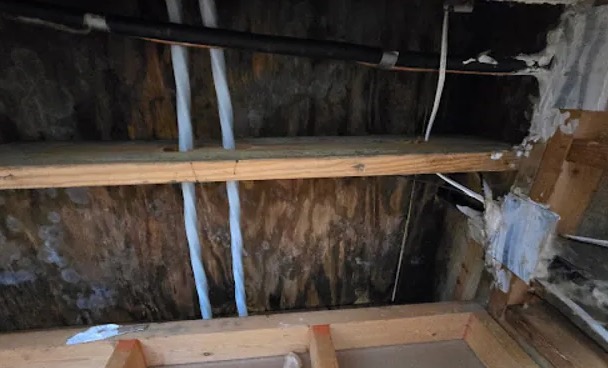
When a storm pushes water through the roof of a Morris Hill home, the attic is the first place it collects and the hardest place to dry.
Roof leak water removal is available in Morris Hill and nearby Central Bench, Garden City and South Boise. The pros tarp the opening if needed, extract the water and dry the attic framing and ceiling drywall.
Roof Leak Water Removal Services in Morris Hill
Emergency Roof Tarping
When shingles are torn or a branch has punched a hole, the pros cover the opening with a weighted or battened tarp before they start drying the attic.
Wet Contents Protection
Wet contents are sorted into items that can be dried and items that cannot. A photo list of each is kept for the insurance claim.
Attic Water Extraction
In Morris Hill homes with low attics, extraction is done with compact equipment that fits between joists and over ceiling drywall without stepping through it.
Wet Insulation Removal
Insulation that only got damp at the edges may dry in place. Material that is matted, stained or smells musty is taken out and replaced after drying.
Wall Cavity Drying
Roof leaks often run down inside exterior walls. The pros check wall cavities under the leak and dry them through small holes or by removing the baseboard.
When a Roof Leak Needs Water Removal
Rusty Nails in the Attic
Rust on roofing nails or metal straps in the attic means moisture has been collecting there over many rains.
Musty Smell After Rain
A damp, musty smell that gets stronger after storms often means insulation in the attic is staying wet.
Damp Baseboards on Exterior Walls
Wet or swelling baseboards under a ceiling stain mean water has traveled down the wall cavity from the attic.
Water Stains on the Ceiling
Brown or yellow rings on the ceiling, often growing after each rain, mean water is reaching the drywall from above.
How Roof Leak Water Removal Works in Morris Hill
Step 1: Protect the Rooms Below
Furniture and belongings under the leak are moved or covered, and floors are protected before any ceiling work begins.
Step 2: Drain and Open the Ceiling
Water trapped above the ceiling is drained through a small hole, and soft drywall is removed to reach the wet cavity.
Step 3: Dry Walls and Framing
Wall cavities under the leak are checked and dried along with the joists and top plates the water ran across.
Step 4: Document for the Claim
Photos, moisture logs and a list of removed materials are put together for you to share with your insurer.
Where Roof Leaks Start in Morris Hill
Ice Dam Formation
In freezing weather, ice at the roof edge traps melting snow, and the water backs up under the shingles into the attic.
Damaged or Missing Shingles
Wind, age and impact lift or tear shingles and leave the underlayment exposed, so rain soaks straight into the decking.
Worn Flashing
Flashing around chimneys, skylights and wall joints can crack, rust or pull loose, and water runs in along the gap.
Storm Debris and Hail
Falling branches and hail can crack shingles or puncture the deck, opening a direct path for rain into the attic.
Roof Leaks in Morris Hill Homes and Commercial Buildings
Residential Roof Leak Water Removal
Persistent roof leaks can rot rafters and roof decking. The pros dry the framing and point out any wood that looks soft so the roofer can replace it.
Commercial Roof Leak Water Removal
In multi-tenant buildings, water from one roof leak can reach several floors. The pros trace it down through each level and dry every space it reached.
DIY Steps and Their Limits After a Roof Leak in Morris Hill
If water is near lights or outlets, turn off that circuit at the breaker. Do not stand on a wet floor to reach a fixture that is dripping.
What Roof Leak Water Removal Costs in Morris Hill
Costs rise when water has reached walls and floors below the attic, because each level needs its own extraction and drying setup.
Insulation Removal
Bagging and hauling soaked insulation takes labor, and the attic needs new insulation once the framing is dry.
Emergency Tarping
If the roof needs a tarp before drying can start, the materials and labor for that step add to the bill.
Ceiling Drywall
Ceilings that can be dried in place cost less than ones that sag or crumble and have to be cut out and replaced.
Does Insurance Cover Roof Leak Water Removal?
The pros keep photos, moisture maps and a list of removed materials. You file the claim with your insurer and share these records with the adjuster.
What Local Pros Bring to a Roof Leak in Morris Hill
Drying to Measured Targets
Drying stops only when meters show the wood and drywall are dry, not when the surface looks dry.
Wet Insulation Handled
Soaked insulation is bagged and removed so the ceiling and framing can dry instead of staying damp under it.
Notes for the Roofer
The entry point and the path the water took are documented so the roofer knows exactly where to look.
Around-the-Clock Roof Leak Water Removal in Morris Hill
Water coming through the ceiling during a storm in Morris Hill? Call (208) 729-2441 24/7. The pros can tarp the roof and remove water from the attic before the ceiling gives way.
Call Now (208) 729-2441Local Roof Leak Water Removal Coverage for Morris Hill
Other places served are listed below, each with its own page.
- Roof Leak Water Removal in Central Bench
- Roof Leak Water Removal in Garden City
- Roof Leak Water Removal in South Boise
- Roof Leak Water Removal in Downtown Boise
- Roof Leak Water Removal in Winstead Park
- Roof Leak Water Removal in Avimor
- Roof Leak Water Removal in Sunset
- Roof Leak Water Removal in Collister
Questions About Roof Leak Water Removal
What is roof leak water removal?
It is the work of getting rainwater out of the attic, ceiling, walls and floors after a roof leak and drying the structure. The roof repair itself is done by a roofer.
What does emergency roof tarping involve?
A heavy tarp is laid over the damaged area and fastened down so rain stops coming in. It stays until a roofer makes the permanent repair.
What happens after the water is removed?
Drying equipment runs and the pros take readings until the attic and ceiling are dry. Then the roofer and drywall repairs can go ahead.
How do the pros find where a roof is leaking?
They trace the water from the stain up into the attic, follow it along the rafters and decking, and use moisture meters to find the entry point.
Are old ceiling stains a sign of an active leak?
Not always. A dry stain may be from a past leak. A stain that is damp, growing or bulging means water is still getting in.