McCall, ID · Valley County
Rapid Structural Drying in McCall, IDConcrete Slab Drying & Moisture Mapping Services
Rapid Structural Drying in McCall includes emergency structural drying, moisture mapping services, and flood drying services.
Answered 24/7
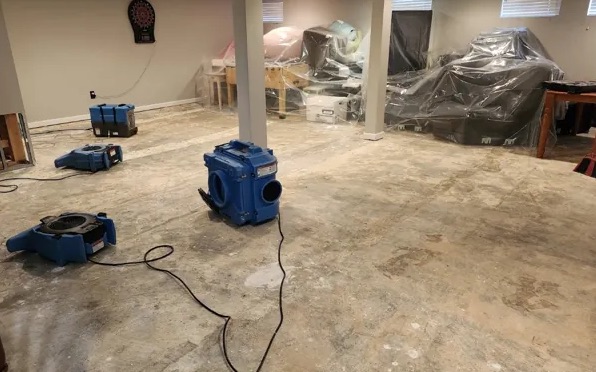
Reliable Rapid Structural Drying Available in McCall
Structural drying must address both visible water and hidden moisture within walls and floors. Slow evaporation allows mold colonies to establish and wood to swell.
For properties in ZIP code 83638 within McCall, rapid structural drying like concrete slab drying and structural dehumidification are critical. Water damage pros use industrial dehumidifiers and air movers to accelerate moisture removal.
Comprehensive Rapid Structural Drying Solutions
Concrete Slab Drying
After a major flood, a concrete floor often holds significant moisture. Drying the slab prevents future problems with flooring and humidity.
Moisture Mapping Services
Effective drying starts with accurate assessment. Moisture mapping services use penetrating and non-penetrating moisture meters to create a detailed picture of affected areas.
Structural Dehumidification
The core of rapid structural drying is aggressive dehumidification. Using low-grain refrigerant (LGR) or desiccant units, pros control the environment to halt secondary damage.
Crawl Space Drying
Crawl spaces are vulnerable to groundwater and plumbing leaks. Effective drying here combines pumping, debris removal, and the strategic placement of air movers and dehumidifiers.
Subfloor Drying
In many water damage situations, the subfloor is critically affected. Subfloor drying prevents costly replacement by using specialized equipment like LGR dehumidifiers and directed airflow.
Warning Signs You Need Rapid Structural Drying
Warped or Bubbling Floorboards
Hardwood floors that buckle or cup have taken on moisture from below, usually from a wet subfloor.
Mold Growth on Baseboards
Mold appearing along floor edges often points to hidden moisture in wall cavities or subfloors needing extraction.
Squeaking or Soft Floor Areas
Unusual noises or soft spots when walking indicate compromised subflooring from water damage that needs assessment.
Damp Spots on Concrete Floors
Persistent dampness on a concrete slab can leave white mineral deposits and loosen flooring adhesive.
How Rapid Structural Drying Works in McCall
Step 1: Emergency Assessment and Moisture Mapping
The pros first perform a detailed inspection using moisture meters and thermal imaging to create a precise moisture map of all affected structural areas.
Step 2: Strategic Flood Drying Setup
Based on the moisture map, air movers and dehumidifiers are placed where they dry the wet materials fastest.
Step 3: Targeted Cavity and Subfloor Drying
Hidden moisture in walls and subfloors is dried with injection systems or drying mats, without tearing out the finishes.
Step 4: Verification and Structural Dehumidification
Pros check moisture levels with meters and adjust equipment until all materials meet dry targets.
Events That Lead to Rapid Structural Drying
Foundation Cracks and Water Seepage
Cracks in a foundation or basement wall permit groundwater intrusion, which can saturate concrete slabs and framing.
Appliance Malfunctions and Leaks
Faulty water heaters, washing machines, or dishwashers can leak slowly, causing hidden damage in walls and floors over time.
Clogged Gutters and Downspouts
When gutters overflow, water pools against the foundation and can seep into crawl spaces, slabs and lower walls.
Poor Ventilation in Enclosed Spaces
Inadequate airflow in crawl spaces or wall cavities traps moisture, promoting rot and mold that experts must address.
Both Home and Business Rapid Structural Drying
Residential Rapid Structural Drying
Homeowners face risks from hidden moisture in attics and crawl spaces. Emergency structural drying services use air scrubbers and focused drying to safeguard indoor air quality and the home's structural integrity from slow leaks.
Commercial Rapid Structural Drying
Warehouses and industrial facilities need large-scale drying for wide concrete floors. Professionals employ rapid drying strategies and moisture mapping to prevent corrosion of inventory and structural components.
Professional Rapid Structural Drying vs. DIY Methods
Wipe down accessible surfaces with towels and increase ventilation by opening windows if weather permits. Avoid using household fans on wet drywall, as they can spread mold spores.
Pricing Considerations for Rapid Structural Drying in McCall
The cost of structural drying in McCall depends on the damage. Large areas with soaked wall cavities or subfloors take more labor and time.
Project Duration
The total time needed for complete structural dehumidification and achieving dry standards affects the overall labor and equipment rental period.
Required Drying Equipment
The number and type of industrial air movers, dehumidifiers, and moisture meters deployed for structural moisture removal influence operational costs.
Secondary Damage Prevention
Efforts to prevent mold growth during the drying process, such as applying antimicrobials, can be a factor in the service cost.
Does Insurance Cover Rapid Structural Drying?
For flood drying services, coverage often requires a separate flood insurance policy. You need to provide this report to your insurance company and follow their specific claims process for water damage.
Reasons to Trust Water Damage Pros with Rapid Structural Drying
24/7 Emergency Response
Help is available day or night to begin the rapid structural drying process and limit further damage.
Industrial-Grade Drying Equipment
High-capacity air movers and dehumidifiers dry crawl spaces and concrete slabs, which hold water longest.
Focus on Structural Integrity
The process prioritizes drying the building structure itself, including wall cavities and subfloors, to protect its stability.
24/7 Emergency Rapid Structural Drying in McCall
Don't wait for hidden moisture in crawl spaces or concrete slabs to cause more damage. For emergency structural drying and dehumidification, call (208) 729-2441 at any hour to get started.
Call Now (208) 729-2441Local Rapid Structural Drying Coverage Area
Help with rapid structural drying is available across McCall, including emergency structural drying and wall cavity drying.
- Rapid Structural Drying in Cambridge
- Rapid Structural Drying in Midvale
- Rapid Structural Drying in Ola
- Rapid Structural Drying in Banks
- Rapid Structural Drying in Lowman
- Rapid Structural Drying in Weiser
- Rapid Structural Drying in Sweet
- Rapid Structural Drying in Placerville
- Emergency Damage Restoration in 83635
- Water Damage Restoration in 83635
- Water Extraction Service in 83635
- Water Leak Detection in 83635
- Water Removal Service in 83635
- Emergency Damage Restoration in 83638
- Water Damage Restoration in 83638
- Water Extraction Service in 83638
Rapid Structural Drying FAQs
Is rapid structural drying needed for clean water leaks?
Yes, even clean water from a broken pipe requires rapid structural drying to prevent absorption into porous materials, which can lead to swelling, warping, and potential mold.
Why is quick action critical for structural drying?
Quick action limits the extent of water absorption into materials, reduces the drying time required, and helps minimize the potential for costly repairs related to structural decay or mold.
What is rapid structural drying?
Rapid structural drying is a focused water mitigation process using industrial equipment to quickly remove moisture from building materials like walls, floors, and substructures to prevent further damage.
How does emergency structural drying differ from regular drying?
It is drying that starts as an emergency call, often outside business hours, with equipment set up to protect the structure before materials swell or grow mold.
What is structural dehumidification?
Structural dehumidification uses large-capacity dehumidifiers to lower the overall humidity within a building's structure, aiding the drying of materials and helping to prevent secondary water damage like mold.