Caldwell, ID · Canyon County
Museum Damage Restoration in Caldwell, IDExhibit Fire Damage Cleanup & HVAC System Water Damage Restoration
In Caldwell, Museum Damage Restoration encompasses exhibit fire damage cleanup, archival document drying services, and sewage backup cleanup.
Answered 24/7
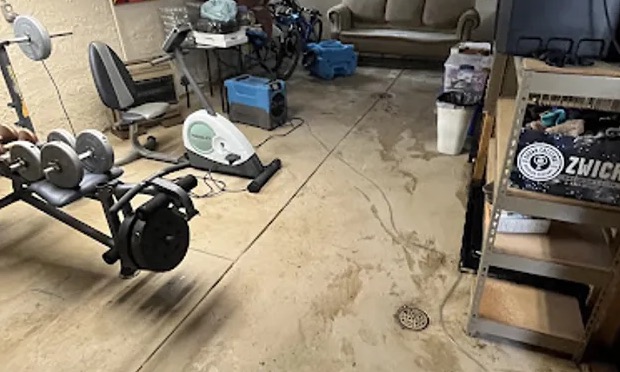
Museum Damage Restoration Response in Caldwell, Idaho
In Caldwell, museum restoration protects cultural institutions. Fire, water, or mold incidents can disrupt climate control and damage delicate materials. Fast action helps save valuable collections.
Museums and archives in Caldwell, Middleton, Moss and Huston can get help with water, mold and smoke damage. Facility managers can call (208) 729-2441 at any hour to describe the damage.
Comprehensive Museum Damage Restoration for Caldwell Museums
Exhibit Fire Damage Cleanup
Exhibit fire damage cleanup removes soot, smoke residue and firefighting water from displays and artifacts, using gentle cleaners that do not harm sensitive surfaces.
HVAC System Water Damage Restoration
When water or fire affects a museum's HVAC system, the stable environment for collections is compromised. Ductwork is dried, filters replaced and systems restarted to protect artifacts.
Storm Damage Structural Drying
This prevents rot, hidden mold and long-term weakness in the building. Moisture meters and thermal imaging help local pros track drying progress inside walls and under floors.
Sewage Backup Cleanup
Sewage backup cleanup in museums handles contaminated water that is a health risk and can destroy collections. Contaminated water is removed and the space is disinfected.
Museum Mold Remediation
For institutions in Caldwell, mold remediation is a precise operation. Local mold remediation pros protect artifacts while returning the museum to a stable, dry state.
Common Signals for Museum Damage Restoration in Caldwell
Compromised Fire Suppression Systems
Accidental sprinkler discharge soaks exhibits and structures. Exhibit fire damage cleanup combines water removal and soot remediation.
Visible Mold on Display Cases
Fuzzy mold inside climate-controlled display cases means humidity is too high and the case needs drying and checking.
High Humidity Readings on Sensors
Consistent spikes in relative humidity threaten delicate materials. Museum climate control after water damage restores proper preservation conditions.
Sewage Odor in Public Restrooms
Foul smells near plumbing fixtures can indicate a backup. Sewage backup cleanup in museums prevents contamination of nearby galleries.
How Museum Damage Restoration Works in Caldwell
Step 1: Emergency Assessment and Stabilization
The specialists secure the site and assess damage to artifacts and structure. They document conditions with photos and moisture readings for insurance.
Step 2: Historic Artifact Water Extraction
Pros remove standing water from around art collections first, using extraction tools that keep water away from sensitive materials.
Step 3: Museum Climate Control Restoration
Pros deploy industrial dehumidifiers and air movers to restore proper humidity and temperature. This dries archival materials and prevents mold.
Step 4: Cultural Property Damage Recovery
The final phase involves cleaning, sanitizing, and documenting salvageable items. The pros coordinate museum artifact salvage and pack-out if off-site restoration is needed.
Common Causes of Museum Damage in Caldwell
HVAC Condensation Line Failures
Clogged or broken drain lines can leak water into walls, where hidden moisture leads to mold.
Natural Disaster Flooding
Rising rivers or streams after heavy rain can flood ground-floor galleries and storage rooms.
Roof Leaks During Heavy Rain
Old roofing or storm damage can let water drip onto exhibits and stored collections.
Chronic High Indoor Humidity
Faulty climate control promotes mold growth on organic collections. Museum mold remediation corrects the issue and treats affected materials.
Comprehensive Museum Damage Restoration Across Caldwell
Water Damage Help for Homes
Historic homes in Caldwell often contain valuable antiques and heirlooms vulnerable to water damage. Storm-related leaks demand quick action to prevent mold on textiles and wood.
Museum Damage Restoration for Owners and Managers
University museums and corporate archives need protection from HVAC failures and plumbing leaks. Water damage can destroy rare books and documents.
Handling Museum Damage: DIY Risks and Art Restoration Specialists Solutions
After a storm, you can check for visible roof damage and place tarps if it is safe. If water reaches exhibit spaces, call for help right away, because moisture inside walls affects the building and the room climate.
Evaluating Museum Damage Restoration Expenses in Caldwell
The cost of museum damage restoration in Caldwell also depends on how long humidity control and monitoring are needed after extraction.
Artifact Pack-Out Scale
The number of items that have to be packed out and moved for off-site drying affects labor and transport.
Type of Damaged Materials
Drying waterlogged paintings takes different methods from drying soaked textiles, which changes the labor and equipment needed.
Contamination Level
Sewage backup cleanup requires rigorous biocontainment and disinfectant protocols not needed for clean water leaks, affecting safety procedures and material costs.
Does Insurance Cover Museum Damage Restoration?
Determining if insurance covers fire damage restoration for museums requires reviewing your policy. Specialists document the soot and water damage extensively. It is your responsibility to file the claim and confirm coverage specifics with your insurance agent.
The Value of Local Specialists for Museum Damage Restoration in Caldwell
Specialized Artifact Handling
Processes are designed for delicate items. This careful approach is central to museum artifact salvage and preventing further damage during the pack-out phase.
Containment Protocols
Work areas are sealed to protect unaffected collections. This is especially important during museum mold remediation to prevent spore migration to clean zones.
Structural Drying Expertise
Focus is on drying building materials properly. Storm damage structural drying protects the museum's infrastructure from long-term weakness and decay.
Around-the-Clock Museum Damage Restoration for Caldwell
After a flood or fire, fast action can save your collections. The pros in Caldwell are ready to deploy. Reach them anytime at (208) 729-2441.
Call Now (208) 729-2441Museum Damage Restoration Near Caldwell: Areas Served
Flood restoration and emergency services help preserve history in Caldwell. Local specialists are equipped to assist your institution and others in communities such as Middleton, Moss and Huston.
Museum Damage Restoration Information: Your Questions
How is soot removed from sensitive exhibits after a fire?
Dry sponges, HEPA vacuums and gentle chemical sponges lift soot without grinding it into surfaces or damaging finishes on exhibits.
What makes museum mold remediation different?
It requires stringent containment to protect unaffected collections and air filtration to capture spores. Methods must be safe for use around historic materials and integrated artifacts.
How is exhibit fire damage cleanup handled?
The process involves soot removal from surfaces and artifacts, odor neutralization, and addressing any water used by firefighting. Special cleaning agents are used on sensitive display materials.
What is involved in museum damage restoration?
The work involves securing the site, extracting water, drying structures and collections with climate control, cleaning soot or contaminants, and salvaging artifacts using IICRC-standard methods for sensitive materials.
What happens during the museum artifact pack-out process?
Items are documented, given temporary stabilization, carefully wrapped and cushioned, then transported in climate-controlled vehicles to a secure facility for assessment and treatment.