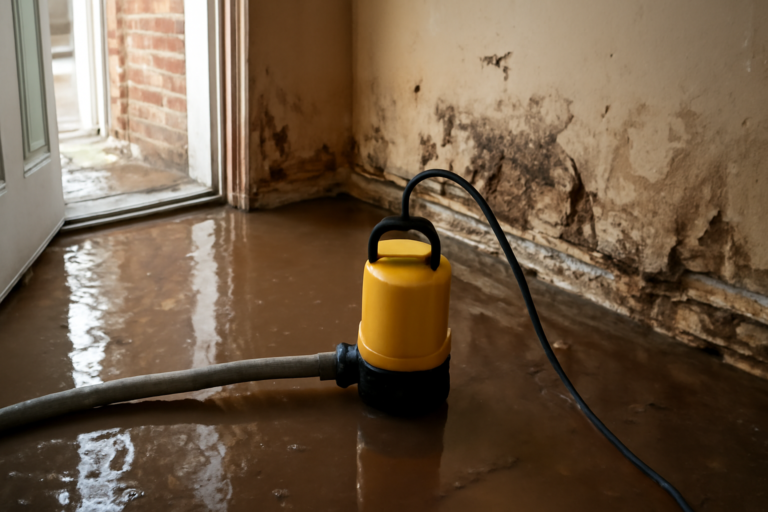
Trusted by 160+ Homeowners
HVAC Leak Water Removal in Kuna, ID
- Over 160 5-Star Reviews
- Free Estimates and Quotes
- 100% Satisfaction Guaranteed
- Child, Family & Pet Safe Steps
- 24-Hour Emergency Service
- Fully Licensed & Insured
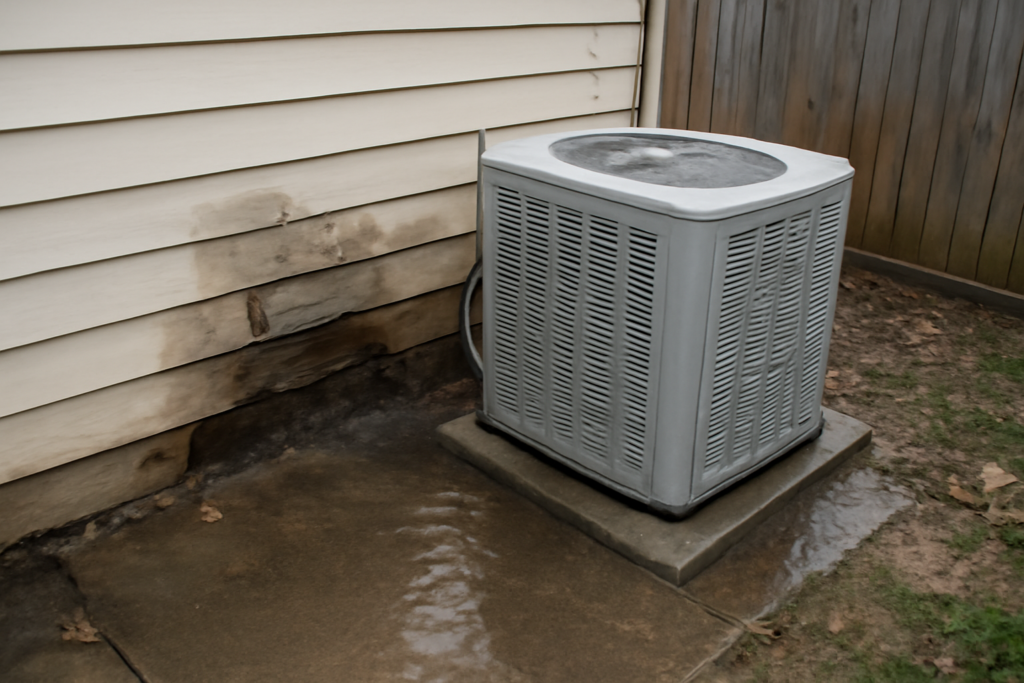
Water Damage from HVAC Leaks: What to Do in Kuna, ID
Imagine walking into your home, and instead of the warm, cozy atmosphere you’re used to, you’re hit with the overpowering smell of mildew and the sight of water pooling around your HVAC unit. Don’t ignore the signs. Water damage from HVAC leaks can spread quickly, causing thousands of dollars in damage and compromising your family’s health. Act fast. Our team is here to help you understand the process and get back to normal life quickly.
With over 165+ five-star reviews from satisfied customers, you can trust our team to provide top-notch service for your HVAC leak water removal needs in Kuna, ID. We’re not just any restoration company. Our technicians are IICRC certified and equipped with the latest technology to tackle even the toughest water damage jobs. We care about your property and your family’s well-being.
- Fast response times, typically within 60 minutes of your initial call, to reduce further damage.
- Advanced equipment and techniques to dry out your home, including moisture meters and desiccant dehumidifiers.
- Comprehensive cleaning and disinfection to prevent mold and mildew growth.
How We Remove Water from Your HVAC Leaks
When you call us, our team will assess the situation and create a customized plan to remove the water and restore your home to its original condition. We don’t cut corners. Our process involves several critical steps to ensure your home is safe and dry. Here’s what you can expect:
Step 1: Containment and Assessment
Our technicians will set up containment barriers to prevent further water spread and assess the damage using moisture meters and thermal imaging cameras. Identifying the source of the leak is key. We’ll work quickly to contain the area and prevent further damage.
Step 2: Water Extraction
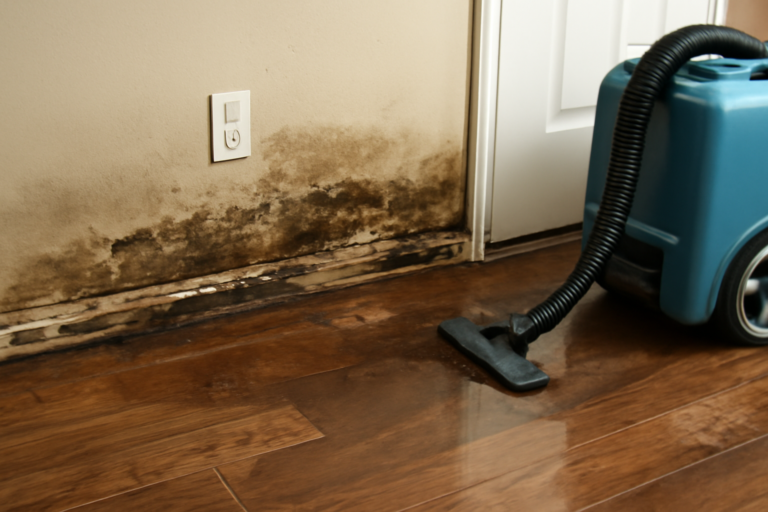
We’ll use powerful water vacuums and pumps to extract the water from your home, including the affected areas around your HVAC unit. Don’t risk electrical shock. We’ll safely power down your HVAC system and extract the water without causing further damage.
Step 3: Drying and Dehumidification
Our team will set up desiccant dehumidifiers and air movers to dry out your home, focusing on the affected areas. Fast drying is crucial. We’ll work to dry out your home quickly to prevent further damage and potential health hazards.
Step 4: Cleaning and Disinfection
We’ll thoroughly clean and disinfect all surfaces, including carpets, upholstery, and drywall, to prevent mold and mildew growth. Preventing secondary damage is key. We’ll work to restore your home to its original condition.
Step 5: Final Inspection and Report
Our team will conduct a final inspection to ensure your home is safe and dry. We’ll document everything. We’ll provide you with a detailed report and recommendations for any further repairs or maintenance.
Don’t delay. Call us today to schedule your HVAC leak water removal service. We’re here to help. Our team is committed to providing top-notch service and ensuring your home is safe and dry.
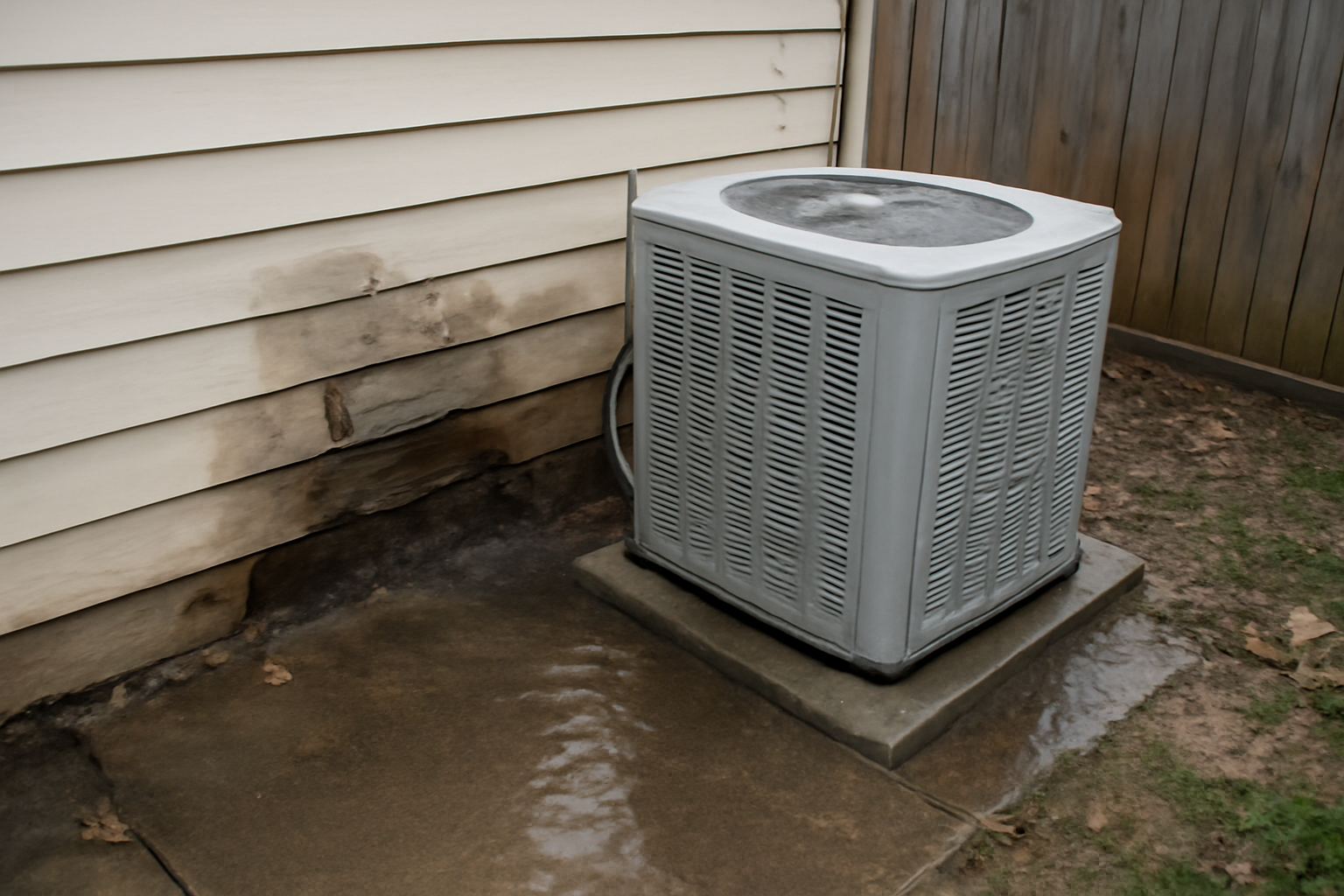
Warning Signs You Need HVAC Leak Water Removal
Ignoring the signs of an HVAC leak can lead to costly repairs and potential health hazards. Don’t wait. Here are some common warning signs to look out for:
Musty Odors That Won’t Go Away
Foul odors can be a sign of mold and mildew growth, which can be hazardous to your health. Act fast. If you notice a persistent musty smell, it’s time to call us.
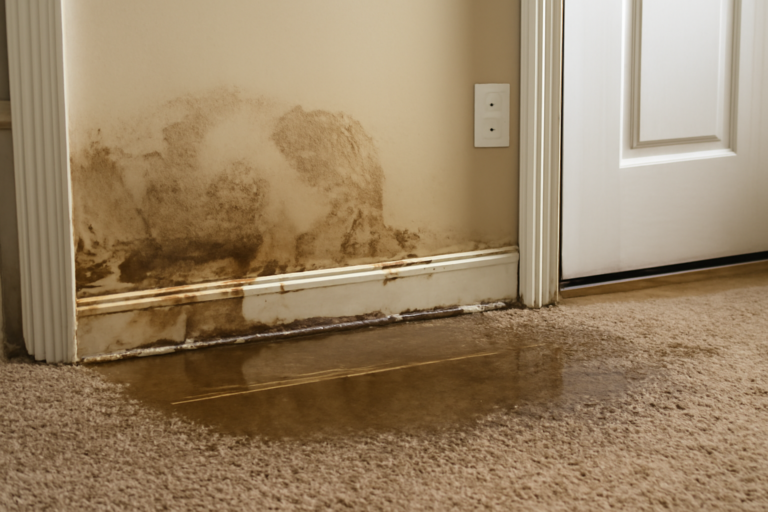
Water Stains on Your Ceiling or Walls
Water stains can be a sign of a leak or water damage. Don’t ignore it. If you notice water spots or stains, it’s time to call us.
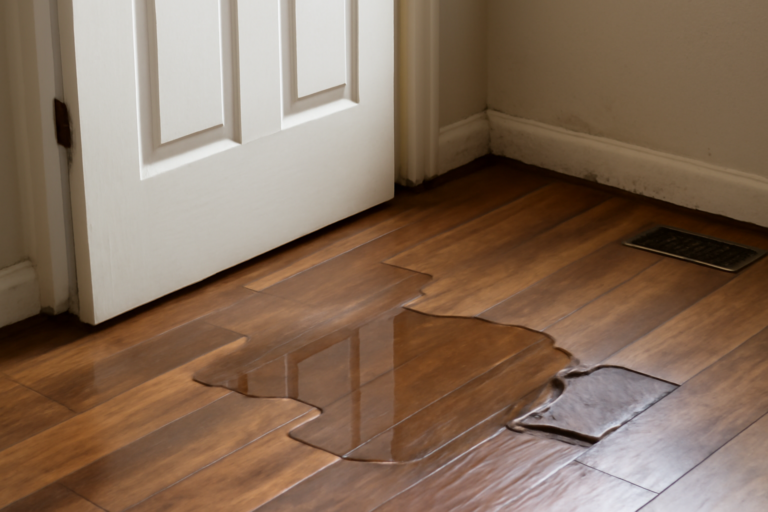
Warped or Buckled Flooring
Warped or buckled flooring can be a sign of water damage. Don’t risk further damage. If you notice your flooring is warped or buckled, it’s time to call us.
Pools of Water Around Your HVAC Unit
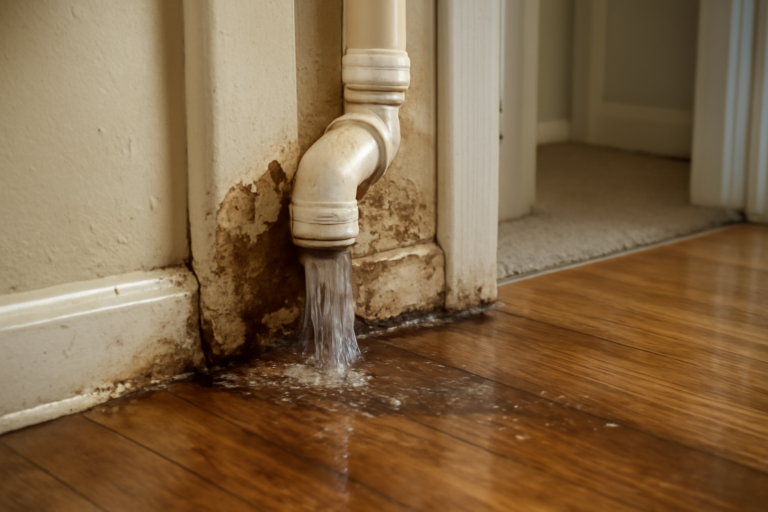
Pools of water can be a sign of a leak or water damage. Act fast. If you notice water pooling around your HVAC unit, it’s time to call us.
Increased Humidity or Moisture Levels
Increased humidity or moisture levels can be a sign of water damage or a leak. Don’t wait. If you notice a sudden increase in humidity or moisture levels, it’s time to call us.
Mold or Mildew Growth
Mold or mildew growth can be a sign of water damage or a leak. Act fast. If you notice mold or mildew growth, it’s time to call us.
HVAC Leak Water Removal vs. DIY: When To Call a Professional
| Situation | DIY? | Call a Pro? | Why |
|---|---|---|---|
| You notice a small leak around your HVAC unit. | Yes | No | DIY fixes are usually safe and effective for small leaks. |
| You notice a large pool of water around your HVAC unit. | No | Yes | Large water pools can be hazardous and need professional equipment and expertise. |
| You notice mold or mildew growth around your HVAC unit. | No | Yes | Mold and mildew growth can be hazardous to your health and need professional removal and cleanup. |
| You’re not sure where the leak is coming from. | No | Yes | Identifying the source of the leak is crucial, and professionals have the equipment and expertise to do so. |
| You’re not comfortable with water extraction or cleanup. | No | Yes | Water extraction and cleanup can be hazardous and need specialized equipment and expertise. |
| You have a large or complex water damage situation. | No | Yes | Large or complex water damage situations need professional equipment and expertise to ensure a safe and effective solution. |
Don’t risk further damage or potential health hazards. Call us today to schedule your HVAC leak water removal service. We’re here to help.
HVAC Leak Water Removal Cost in Kuna, ID
The cost of HVAC leak water removal can vary depending on the severity of the damage, the size of the affected area, and local conditions in Kuna, ID. These estimates are based on real-world scenarios. Here’s a breakdown of typical costs:
| Service | Typical Price Range | What Affects Cost |
|---|---|---|
| Water Extraction | $500 – $2,500 | The amount of water extracted and the equipment needed. |
| Drying and Dehumidification | $1,000 – $5,000 | The size of the affected area and the equipment needed. |
| Cleaning and Disinfection | $500 – $2,000 | The extent of the mold or mildew growth and the surfaces affected. |
| Final Inspection and Report | $200 – $1,000 | The complexity of the job and the number of inspections required. |
| Restoration and Repair | $1,000 – $10,000 | The extent of the damage and the repairs needed. |
| Equipment Rental and Labor | $500 – $5,000 | The type and amount of equipment needed and the number of hours required for labor. |
Exact pricing will depend on an on-site assessment and a free estimate from our team. We’ll work with you to create a customized plan and budget.
Service Areas Near Kuna, ID
We serve the following communities: Caldwell, ID, Nampa, ID, Meridian, ID, Boise, ID, Mountain Home, ID, Payette, ID, Fruitland, ID, New Plymouth, ID, Parma, ID, Wilder, ID, Notus, ID, Greenleaf, ID, Homedale, ID, and Emmett, ID.
Common Questions About HVAC Leak Water Removal
Q: Is water damage from HVAC leaks covered by insurance?
A: Yes, but it depends on the specifics of your policy. Call your insurance provider to confirm coverage. Our team will work with you to document the damage and submit a claim. We’ll guide you through the process.
Q: How long does HVAC leak water removal take?
A: The timeframe depends on the severity of the damage and the size of the affected area. Our team will work quickly to contain the area, extract the water, and dry out your home. We’ll keep you informed every step of the way.
Q: Can I try to remove the water myself?
A: No, it’s not recommended. Water extraction and cleanup can be hazardous, and improper techniques can cause further damage or even lead to electrical shock. Call a professional.
Q: How can I prevent future HVAC leaks?
A: Regular maintenance is key. Schedule regular inspections and cleaning of your HVAC unit, and check for signs of wear and tear. Prevention is always cheaper than repair.
Q: What equipment do you use for HVAC leak water removal?
A: We use state-of-the-art equipment, including moisture meters, thermal imaging cameras, and desiccant dehumidifiers. Our team will assess the situation and choose the best equipment for the job. We’ll keep you informed every step of the way.
Check Our Other Relevant Services

Billy Rodriguez is a licensed Damage Restoration Expert with over 20 years of hands-on experience in disaster recovery and property mitigation. As a respected industry authority, Billy has spent two decades mastering the technical science of structural drying and environmental safety, providing homeowners with the authoritative guidance and technical precision required to navigate complex restoration projects with absolute confidence.
𝗖𝗲𝗿𝘁𝗶𝗳𝗶𝗰𝗮𝘁𝗶𝗼𝗻𝘀: Billy is highly credentialed by the IICRC, holding master-level certifications in Water Damage Restoration (WRT), Applied Structural Drying (ASD), Mold Remediation (AMRT), Fire and Smoke Restoration (FSRT), and Odor Control (OCT).
𝗙𝗮𝘃𝗼𝗿𝗶𝘁𝗲 𝗣𝗮𝘀𝘁𝗶𝗺𝗲: An enthusiast of restoration in all forms, Billy enjoys rebuilding vintage motorcycles and coastal fishing, hobbies that reflect the mechanical precision and patience he brings to every job site.
𝗕𝗲𝘀𝘁 𝗣𝗮𝗿𝘁 𝗼𝗳 𝘁𝗵𝗲 𝗷𝗼𝗯: He finds the most fulfillment in providing families with immediate peace of mind, knowing his work transforms a site of devastation back into a safe, healthy, and comfortable home.