Moss, ID · Canyon County
High-Velocity Air Mover Drying in Moss, IDPost-Extraction Structural Drying & Basement Water Drying
High-Velocity Air Mover Drying in Moss includes residential flood drying services, carpet drying with air movers and wall cavity drying.
Answered 24/7
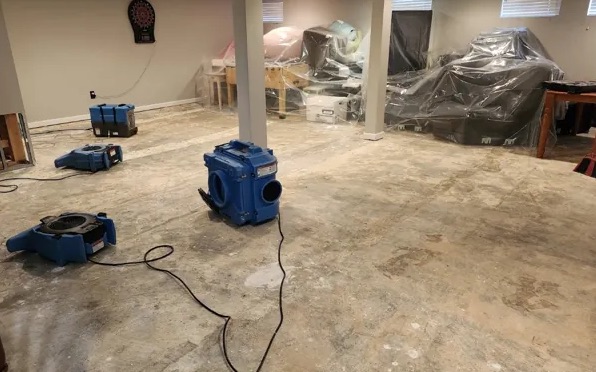
High-Velocity Air Mover Drying for Moss Homes and Businesses
In Moss, starting high-velocity air mover drying early can be the difference between a quick dry-out and a remodel. Water wicks into drywall and insulation fast.
In Moss and nearby locales like Franklin, Nampa and Caldwell, high-velocity air mover drying is a targeted way to reach specific drying goals. After extraction, air movers are set to create cross-flow over wet floors and walls. Dehumidifiers then pull the evaporated water out of the air.
Tailored High-Velocity Air Mover Drying for Moss Properties
Post-Extraction Structural Drying
Drying the structure means getting water out of studs, subfloors and framing after extraction is done.
Basement Water Drying
A wet basement has still, humid air. Air movers keep it moving, and dehumidifiers pull the water out of the air and surfaces.
Residential Flood Drying Services
Water in a house requires fast action. Local drying specialists use air movers to create a high-volume airflow across wet areas, dramatically speeding up the evaporation process.
Carpet Drying With Air Movers
Carpet holds water against the floor like a sponge. Air movers aim airflow at the layer between the carpet and pad so both dry.
Equipment Assisted Drying
Air movers do their job together with dehumidifiers and moisture meters, as one drying system.
When to Call for High-Velocity Air Mover Drying in Moss
Cold, Damp Feeling in Basement
A basement that always feels cold and damp may still be holding water in the floor and walls.
Wet Spots on Walls or Ceilings
Damp patches or discoloration on drywall mean water is inside the wall cavity.
Peeling Paint or Wallpaper
Bubbling or peeling paint or wallpaper means moisture is trapped behind the surface, inside the wall cavity.
Water Stains on Building Materials
Yellow or brown stains on ceilings, walls or floors show where leaks may have left water behind.
How High-Velocity Air Mover Drying Works in Moss
Step 1: Initial Assessment and Moisture Mapping
The specialists start by mapping the wet areas with moisture meters to decide where air movers are needed.
Step 2: Strategic Air Mover Placement
Industrial air movers are positioned to create optimal airflow across wet surfaces and within cavities.
Step 3: Controlled Evaporation and Dehumidification
Dehumidifiers run with the air movers to collect the moisture they lift into the air.
Step 4: Verification of Complete Drying
Follow-up moisture checks confirm all the wet materials are back to normal dryness.
Common Causes Requiring High-Velocity Air Mover Drying in Moss
Sewer Backups and Drain Clogs
A clogged main line or municipal sewer backup forces contaminated water into properties.
Natural Flooding From Heavy Rain
Heavy rain or flash flooding can overwhelm drainage and push water into buildings.
HVAC System Condensation Issues
Faulty condensate drains or poorly insulated ducts can drip moisture into wall cavities and ceilings.
Roof Leaks From Storm Damage
Wind-driven rain, missing shingles or damaged flashing can let water into attics and walls.
High-Velocity Air Mover Drying Across Property Types in Moss
Residential High-Velocity Air Mover Drying
In homes, fast drying saves belongings and keeps damage from spreading. Air movers are aimed at attics, crawl spaces and living areas wherever water reached.
Commercial High-Velocity Air Mover Drying
Office buildings and facilities use commercial air mover drying to meet reopening timelines. Air movers can be aimed at spaces behind fixed installations and in complex layouts.
High-Velocity Air Mover Drying vs. DIY Drying Methods
Documenting the damage with photos and notes is a prudent step for your insurance claim before any cleanup begins. Capture images of the water source, affected areas, and damaged belongings. Do not disturb the scene excessively.
Elements of High-Velocity Air Mover Drying Cost in Moss
For basements or wall cavities, cost depends on how many air movers are used, whether dehumidifiers are added, and how long everything runs.
Post-Drying Verification
Final moisture checks to confirm everything is dry are part of the cost.
Contained Moisture Locations
Water hidden in wall cavities or subfloors is harder to reach and monitor, which adds time.
Affected Square Footage
The total wet area sets how many air movers are needed, which is a main cost driver.
Does Insurance Cover High-Velocity Air Mover Drying?
Drying wall cavities or basements often counts as mitigation, which some policies cover. Always verify coverage with your insurance provider, as they have final authority on all payment decisions for drying equipment.
Choosing Local Pros for High-Velocity Air Mover Drying in Moss, Idaho
Advanced Moisture Detection
Moisture meters find water in wall cavities and subfloors that DIY drying often misses.
Objective Drying Verification
The job is not finished until moisture meters show every wet material is dry.
24/7 Emergency Response
Starting drying early after a flood limits damage to framing, drywall and floors.
Emergency High-Velocity Air Mover Drying Response for Moss
For flood drying with commercial air movers, call (208) 729-2441 day or night. Starting in the first hours after water gets in limits damage to the structure and belongings.
Call Now (208) 729-2441Local High-Velocity Air Mover Drying Serving Moss and Beyond
Other places served are listed below, each with its own page.
- High-Velocity Air Mover Drying in Franklin
- High-Velocity Air Mover Drying in Nampa
- High-Velocity Air Mover Drying in Caldwell
- High-Velocity Air Mover Drying in Middleton
- High-Velocity Air Mover Drying in McDermott
- High-Velocity Air Mover Drying in Huston
- High-Velocity Air Mover Drying in Greenleaf
- High-Velocity Air Mover Drying in Notus
Common High-Velocity Air Mover Drying Questions Answered
How are air movers used in different rooms?
Units are placed to move air across all wet surfaces, often several of them working together through doorways.
Is basement water drying a long process?
It depends on how wet the materials are, but air movers dry things much faster than leaving them to dry on their own.
What areas need drying after a pipe leak?
Water often wicks into wall cavities, under trim and into subfloors, and all of those need to be checked and dried.
What is high-velocity air mover drying?
It is drying with powerful fans that push fast-moving air across wet surfaces, so water evaporates faster after water damage.
What does equipment assisted drying include?
It means drying with professional tools like air movers, dehumidifiers and moisture meters instead of waiting for the room to dry naturally.