Hidden Springs, ID · Ada County
Desiccant Dehumidification in Hidden Springs, IDEmergency Dehumidification & Mold Prevention Drying
After a flood, Desiccant Dehumidification in Hidden Springs means flood drying services, emergency dehumidification and water damage dehumidification.
Answered 24/7
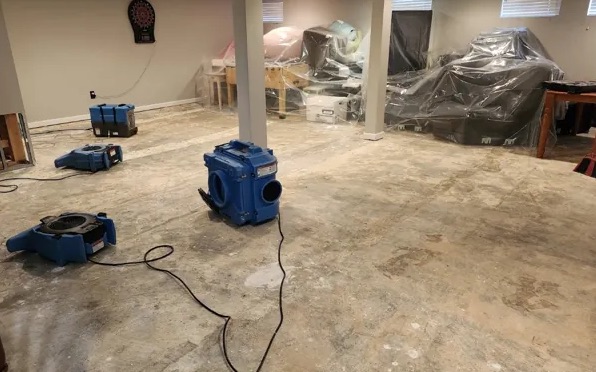
Desiccant Dehumidification: Moisture Control in Hidden Springs
Large commercial buildings in Hidden Springs can hold a lot of moisture after a flood or sprinkler leak. High-capacity desiccant units can dry large volumes of air.
Homes, job sites and commercial buildings in Hidden Springs and nearby Avimor, Collister and Eagle sometimes need more drying power than standard equipment provides. Help with desiccant dehumidification covers those cases.
Desiccant Dehumidification Options Available in Hidden Springs
Emergency Dehumidification
Equipment is sized to the space on the first visit and adjusted each day based on readings.
Mold Prevention Drying
Drying continues until readings on the remaining framing are normal, before walls are closed up again.
Flood Drying Services
Floodwater is treated as contaminated, so soaked porous materials are removed and surfaces cleaned before drying starts.
Construction Drying Services
Readings on slabs and framing show when materials are dry enough for the next stage of work.
Basement Dehumidification
Basement concrete and framing release water slowly. Desiccant drying keeps humidity low so they can dry in a reasonable time.
When to Consider Desiccant Dehumidification in Hidden Springs
Strong Damp Odor in Rooms
A damp smell that stays in a room after cleanup means materials there are still holding moisture.
Wet Insulation in Attics or Walls
Insulation that is wet in attics or walls holds water against framing and slows drying.
Musty Smell in Stored Items
Boxes and fabrics that smell musty show the space has stayed damp too long.
Active Mold Spots
Dark spots appearing on walls or ceilings mean materials stayed damp long enough for mold.
How Desiccant Dehumidification Works in Hidden Springs
Step 1: Emergency Moisture Evaluation
The wet area is mapped and the right size and type of dehumidifier is chosen.
Step 2: High-Capacity Setup
Large desiccant units are placed for big spaces or cool areas where standard units struggle.
Step 3: Active Drying Cycle
Dry air is moved across wet materials, with daily readings to track progress.
Step 4: Completion and Insurance Records
Final readings and daily drying logs are compiled into a record for your insurer.
Origins of Dampness and Desiccant Dehumidification in Hidden Springs Buildings
Severe Weather and Storm Flooding
Storms and flooding soak lower levels and leave large volumes of wet material.
Appliance Malfunctions and Overflows
Washers, dishwashers and water heaters that leak leave wet floors, cabinets and walls.
Poor Ventilation in Enclosed Areas
Closed, poorly ventilated spaces trap moisture and dry very slowly after water damage.
HVAC System Condensation Issues
Clogged AC drain lines overflow into attics, closets and the ceilings below them.
Residential and Commercial Desiccant Dehumidification in Hidden Springs
Residential Desiccant Dehumidification
Homeowners with damp basements may need desiccant drying after a flood because cool concrete and air slow standard units.
Commercial Desiccant Dehumidification
Warehouses with large slabs and stock need humidity kept low during drying to protect inventory and dry the concrete.
Professional Desiccant Dehumidification or DIY in Hidden Springs?
Do not run drying equipment on materials soaked by sewage or floodwater before they are cleaned or removed, since that spreads contamination through the house.
Investing in Desiccant Dehumidification for Hidden Springs Properties
The pros take readings before pricing desiccant dehumidification in Hidden Springs, then explain how many units are needed and how long drying should take.
Type of Water Damage
Floodwater and sewage need cleaning and removal of materials before drying, which adds cost.
Moisture Saturation Level
Materials that are fully soaked take longer to dry than lightly damp ones.
Additional Restoration Steps
Extraction, material removal and cleaning before drying are separate steps that add to the total.
Does Insurance Cover Desiccant Dehumidification?
Insurers often want proof that drying was needed and that it worked. Starting and final moisture readings from the job show both.
Why Choose Local Pros for Desiccant Dehumidification in Hidden Springs
Detailed Moisture Documentation
Daily humidity and moisture readings are logged to show progress and support insurance claims.
Damage Assessment
The full affected area is checked, including rooms next to and below the source.
Large Projects
Large buildings and job sites get drying plans that keep work and business moving.
Urgent Desiccant Dehumidification Available in Hidden Springs
Wet materials keep soaking up moisture from damp air until drying starts. Call (208) 729-2441 for desiccant dehumidification in Hidden Springs at any hour.
Call Now (208) 729-2441Desiccant Dehumidification Near Hidden Springs: Areas Served
Nearby areas served for desiccant dehumidification include Avimor, Collister and Eagle, with the same equipment and readings used in Hidden Springs.
- Desiccant Dehumidification in Avimor
- Desiccant Dehumidification in Collister
- Desiccant Dehumidification in Eagle
- Desiccant Dehumidification in Sunset
- Desiccant Dehumidification in Five Mile
- Desiccant Dehumidification in Garden City
- Desiccant Dehumidification in Ustick
- Desiccant Dehumidification in Mountain Home AFB
Answers to Top Desiccant Dehumidification Queries
How is emergency dehumidification different from standard service?
It starts right after a leak or flood, any time of day, so materials do not keep soaking up moisture.
Why use desiccant drying after a fire?
Firefighting water soaks large areas, and high-capacity drying helps remove that moisture once debris is cleared.
What is the goal of flood drying services?
To remove the moisture left after floodwater is pumped out so the building can be cleaned and repaired.
When is desiccant dehumidification a better choice than refrigerant units?
In cool spaces, very large areas or when very low humidity is needed to dry dense materials.
Can desiccant dehumidification help prevent mold?
Yes. Lowering humidity and drying materials quickly is one of the main ways to keep mold from starting.