Trusted by 160+ Homeowners
Ceiling Water Damage Repair in Notus, ID
- Over 160 5-Star Reviews
- Free Estimates and Quotes
- 100% Satisfaction Guaranteed
- Child, Family & Pet Safe Steps
- 24-Hour Emergency Service
- Fully Licensed & Insured
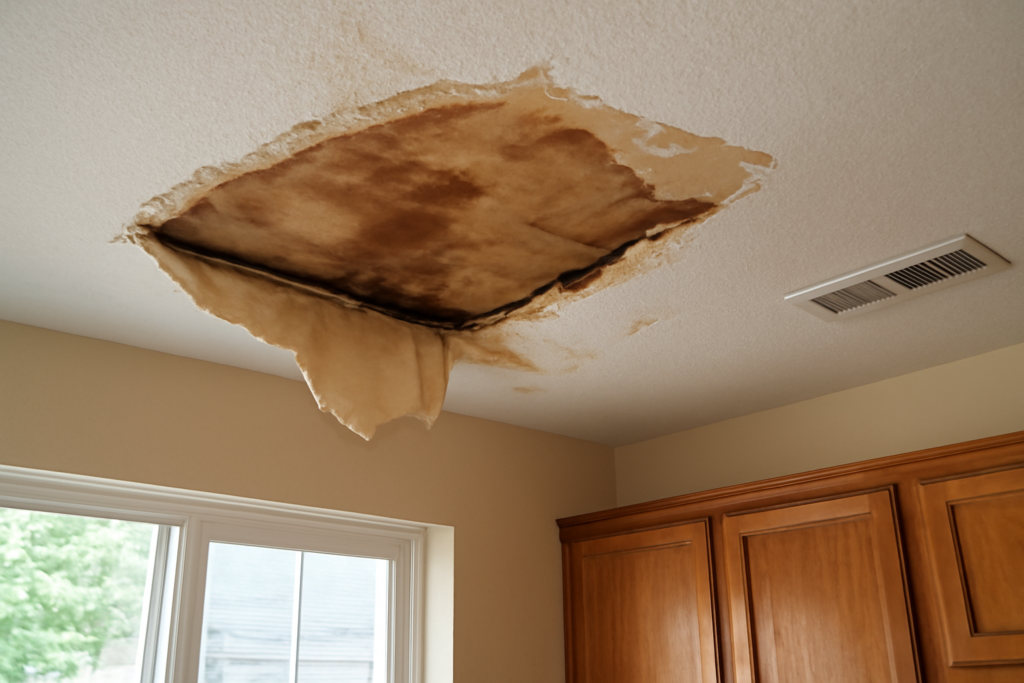
Water Damage on Your Ceiling? Don’t Ignore It
You’re in the middle of dinner when you notice water dripping from the ceiling in your Notus, ID home. You’re shocked and worried about the damage. Water damage on your ceiling can be a sign of a bigger issue, like a leaky roof or a burst pipe. Don’t wait to call for help the longer you wait, the more damage will occur. Get a professional assessment right away to prevent costly repairs and potential health hazards.
Homeowners in the area trust our team for their ceiling water damage repair needs. We’ve helped over 165 homeowners in the area recover from water damage, and we can help you too. Our team is IICRC certified and dedicated to providing fast, effective solutions to get your home back to normal. You deserve peace of mind after a disaster and our team is here to provide it.
- We use specialized equipment to detect moisture and dry your ceiling quickly.
- We contain the affected area to prevent further damage and contamination.
- We use advanced drying protocols to prevent mold and mildew growth.
The Science Behind Ceiling Water Damage Repair
Our team’s process for ceiling water damage repair involves several key steps. First, we’ll assess the damage to find out the extent of the issue. This assessment is crucial in determining the best course of action and preventing further damage. Next, we’ll use specialized equipment to detect moisture and dry your ceiling. This may involve using desiccants, dehumidifiers, or other equipment to remove excess moisture. Our goal is to dry your ceiling as quickly and efficiently as possible to prevent mold and mildew growth.
Step 1: Assessment and Containment
We’ll assess the damage to find out the extent of the issue and contain the affected area to prevent further damage and contamination. This step is critical in preventing further damage and ensuring a successful repair. We’ll use specialized equipment to detect moisture and dry your ceiling.
Step 2: Moisture Detection and Drying
We’ll use specialized equipment to detect moisture and dry your ceiling quickly. This equipment is designed to remove excess moisture and prevent mold and mildew growth. We’ll work to dry your ceiling as quickly and efficiently as possible to prevent further damage.
Step 3: Drying and Dehumidification
We’ll use advanced drying protocols to prevent mold and mildew growth. This includes using desiccants, dehumidifiers, or other equipment to remove excess moisture. We’ll work to dry your ceiling as quickly and efficiently as possible to prevent further damage.
Step 4: Cleaning and Disinfecting
We’ll clean and disinfect the affected area to prevent the growth of mold and mildew. This step is crucial in preventing health hazards and ensuring a successful repair. We’ll use specialized equipment and cleaning solutions to ensure a thorough and effective cleaning.
Step 5: Repair and Reconstruction
We’ll repair and reconstruct any damaged areas to ensure a safe and secure environment. This may involve replacing drywall, flooring, or other materials to ensure a complete and thorough repair. We’ll work to ensure a seamless repair that meets your needs and budget.
Don’t wait to call for help, the longer you wait, the more damage will occur. Get a professional assessment right away to prevent costly repairs and potential health hazards.
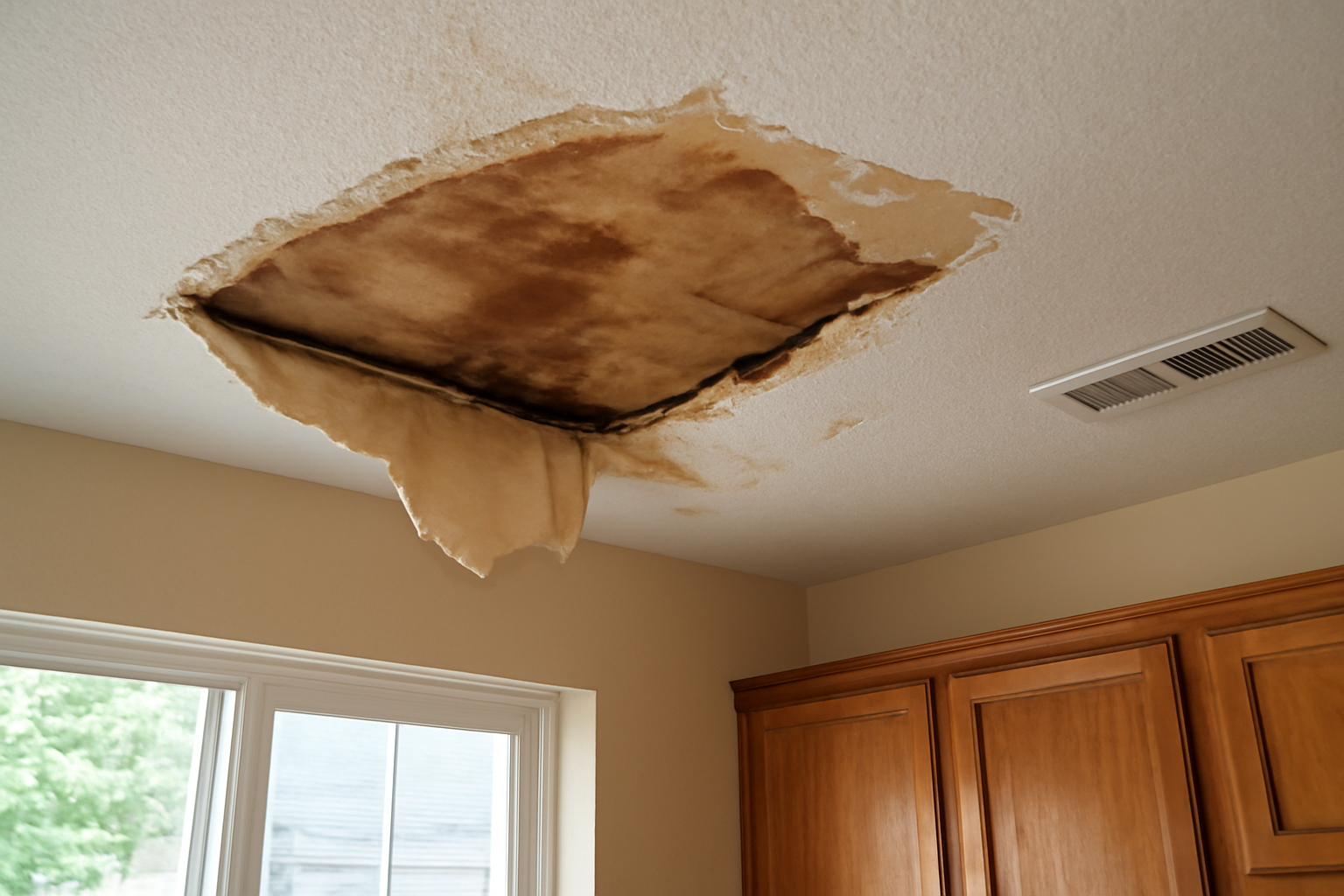
Warning Signs You Need Ceiling Water Damage Repair
Catching these signs early can save you money and prevent bigger problems. Don’t ignore these signs they’re a warning that something’s wrong. Here are some common warning signs that show you need ceiling water damage repair:
Musty Odors That Won’t Go Away
A musty odor in your home can be a sign of mold and mildew growth. This can be a health hazard if left unchecked, so don’t ignore these odors. Our team can help you identify and address the source of the odor.
Water Stains on Your Ceiling
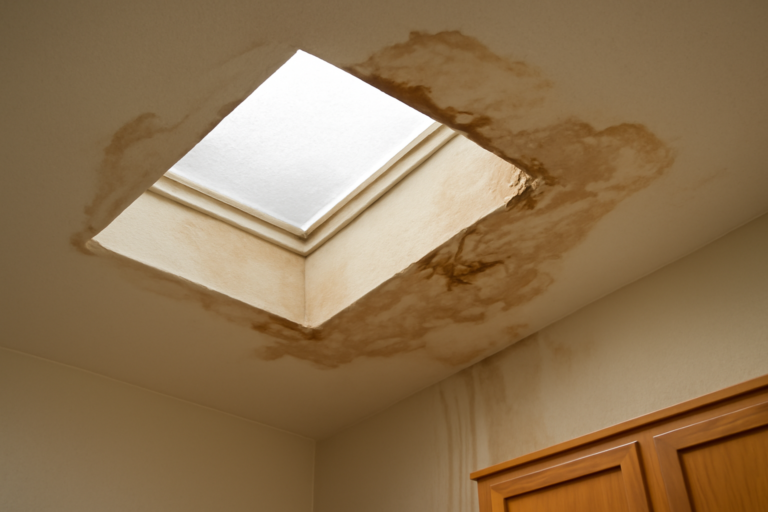
Water stains on your ceiling can be a sign of a leaky roof or a burst pipe. Don’t wait to call for help the longer you wait, the more damage will occur. Our team can help you identify and repair the source of the leak.
Warped or Buckled Ceiling Tiles
Warped or buckled ceiling tiles can be a sign of water damage. This can be a safety hazard if left unchecked, so don’t ignore these signs. Our team can help you identify and repair the damaged area.
Visible Water Damage on Your Walls
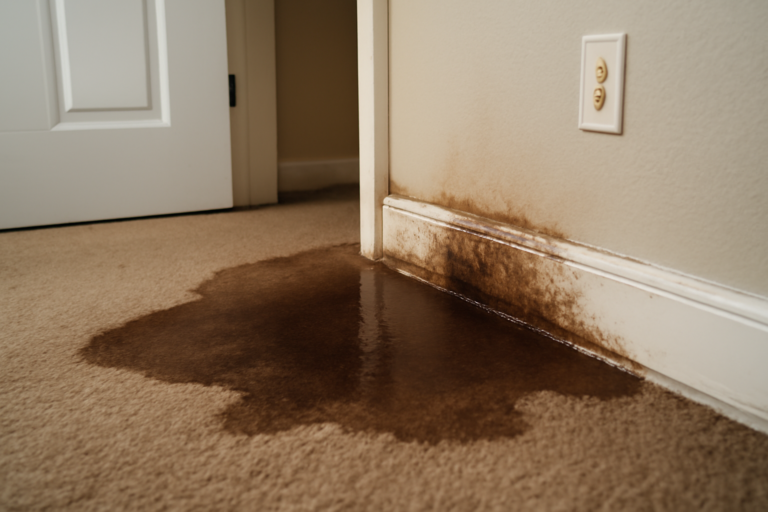
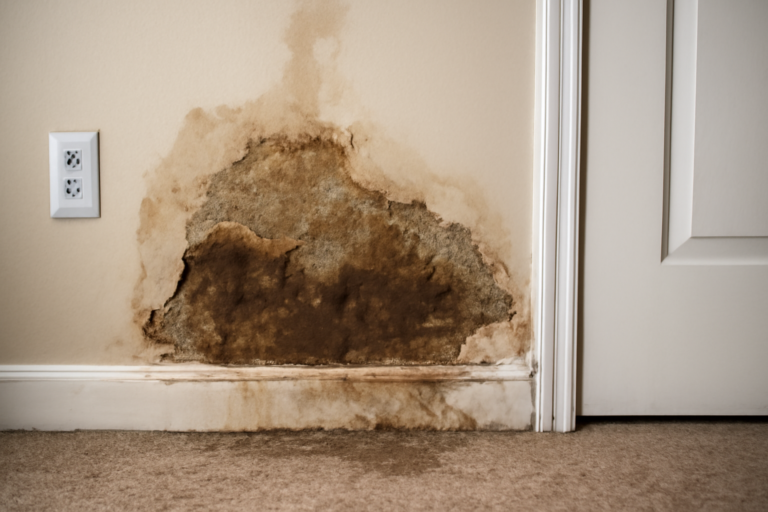
Visible water damage on your walls can be a sign of a leaky pipe or a burst appliance. Don’t wait to call for help the longer you wait, the more damage will occur. Our team can help you identify and repair the source of the leak.
Peeling Paint or Wallpaper
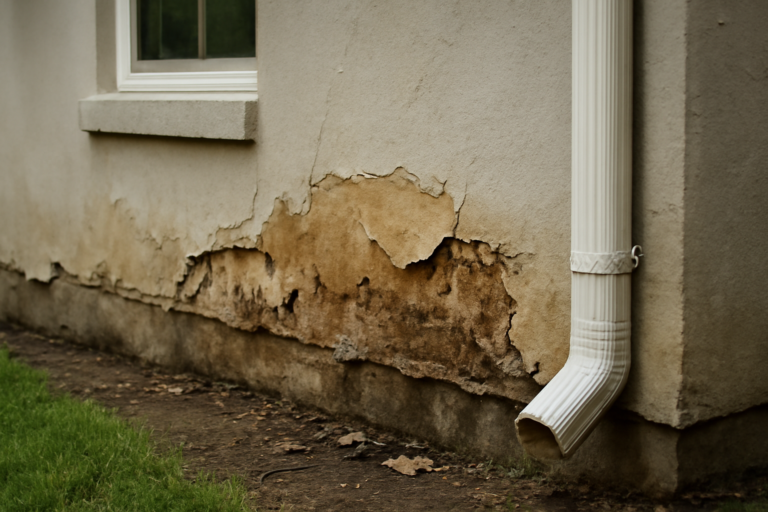
Peeling paint or wallpaper can be a sign of water damage. This can be a safety hazard if left unchecked, so don’t ignore these signs. Our team can help you identify and repair the damaged area.
Cracked or Broken Drywall
Cracked or broken drywall can be a sign of water damage. This can be a safety hazard if left unchecked, so don’t ignore these signs. Our team can help you identify and repair the damaged area.
Ceiling Water Damage Repair vs. DIY: When To Call a Professional
| Situation | DIY? | Call a Pro? | Why |
|---|---|---|---|
| Small water stain on ceiling | Yes | No | You can likely fix this yourself with some basic tools and materials. |
| Visible water damage on walls | No | Yes | This can be a sign of a bigger issue, like a leaky pipe or a burst appliance. A professional can help you identify and repair the source of the leak. |
| Musty odors that won’t go away | No | Yes | This can be a sign of mold and mildew growth, which can be a health hazard. A professional can help you identify and address the source of the odor. |
| Warped or buckled ceiling tiles | No | Yes | This can be a safety hazard if left unchecked. A professional can help you identify and repair the damaged area. |
| Cracked or broken drywall | No | Yes | This can be a safety hazard if left unchecked. A professional can help you identify and repair the damaged area. |
| Water damage from a burst pipe | No | Yes | This can be a bigger issue than just a small water stain. A professional can help you identify and repair the source of the leak. |
Don’t wait to call for help, the longer you wait, the more damage will occur. Get a professional assessment right away to prevent costly repairs and potential health hazards.
Ceiling Water Damage Repair Cost In Notus, ID
The cost of ceiling water damage repair can vary depending on the severity and size of the affected area. These estimates are based on average costs in the Notus, ID area and may vary depending on your specific situation. Here are some estimated costs for common services related to ceiling water damage repair:
| Service | Typical Price Range | What Affects Cost |
|---|---|---|
| Assessment and Containment | $500 – $2,000 | The size and complexity of the affected area |
| Moisture Detection and Drying | $1,000 – $5,000 | The amount of moisture present and the type of equipment needed |
| Drying and Dehumidification | $500 – $2,000 | The size and complexity of the affected area |
| Cleaning and Disinfecting | $200 – $1,000 | The size and complexity of the affected area |
| Repair and Reconstruction | $1,000 – $10,000 | The size and complexity of the affected area |
Exact pricing will depend on an on-site assessment and may vary depending on your specific situation. We offer free estimates to help you understand the costs involved in repairing your ceiling water damage.
Service Areas Near Notus, ID
We serve the following nearby communities: Caldwell, ID, Middleton, ID, Parma, ID, Wilder, ID, Nampa, ID, Meridian, ID, Boise, ID, Star, ID, Kuna, ID, Eagle, ID.
Common Questions About Ceiling Water Damage Repair
What causes water damage on my ceiling?
Water damage on your ceiling can be caused by a variety of factors, including a leaky roof, a burst pipe, or a clogged drain. It’s essential to address the source of the leak to prevent further damage and potential health hazards.
How do I prevent water damage on my ceiling?
Preventing water damage on your ceiling needs regular maintenance and inspections. Check your roof and gutters regularly to ensure they’re in good condition. Also, be mindful of any signs of water damage, such as musty odors or visible water stains.
How long does ceiling water damage repair take?
The length of time it takes to repair ceiling water damage depends on the severity and size of the affected area. Our team will work to complete the repair as quickly and efficiently as possible to reduce disruption to your daily life.
Is ceiling water damage repair covered by insurance?
Some insurance policies may cover ceiling water damage repair, but it depends on the specifics of your policy. It’s essential to check your policy to understand what’s covered and what’s not.
What equipment do you use for ceiling water damage repair?
We use a variety of equipment to detect and repair ceiling water damage, including desiccants, dehumidifiers, and specialized drying equipment. Our team will work to find out the best course of action to ensure a successful repair.
Check Our Other Relevant Services

Billy Rodriguez is a licensed Damage Restoration Expert with over 20 years of hands-on experience in disaster recovery and property mitigation. As a respected industry authority, Billy has spent two decades mastering the technical science of structural drying and environmental safety, providing homeowners with the authoritative guidance and technical precision required to navigate complex restoration projects with absolute confidence.
𝗖𝗲𝗿𝘁𝗶𝗳𝗶𝗰𝗮𝘁𝗶𝗼𝗻𝘀: Billy is highly credentialed by the IICRC, holding master-level certifications in Water Damage Restoration (WRT), Applied Structural Drying (ASD), Mold Remediation (AMRT), Fire and Smoke Restoration (FSRT), and Odor Control (OCT).
𝗙𝗮𝘃𝗼𝗿𝗶𝘁𝗲 𝗣𝗮𝘀𝘁𝗶𝗺𝗲: An enthusiast of restoration in all forms, Billy enjoys rebuilding vintage motorcycles and coastal fishing, hobbies that reflect the mechanical precision and patience he brings to every job site.
𝗕𝗲𝘀𝘁 𝗣𝗮𝗿𝘁 𝗼𝗳 𝘁𝗵𝗲 𝗷𝗼𝗯: He finds the most fulfillment in providing families with immediate peace of mind, knowing his work transforms a site of devastation back into a safe, healthy, and comfortable home.